Key takeaways
- Ava Labs announced on November 9 that Avalanche will be the core ledger for clearing and settlement on an upcoming NYSE affiliated alternative trading system for tokenized stocks.
- The NYSE will run its own custom chain built on Avalanche technology rather than the public network, according to Ava Labs executive John Nahas.
- Planned 24/7 trading and settlement still require regulatory approval, and no launch date or retail access details have been given.
In this story 7 sections
- What exactly did Ava Labs and the NYSE announce?
- Will NYSE stocks trade on the public Avalanche network?
- How would tokenized stock trading on the NYSE work?
- Who else is involved in the NYSE tokenization push?
- How does this compare with Nasdaq and DTCC?
- Did the announcement move the AVAX price?
- When could regular investors buy a tokenized NYSE stock?
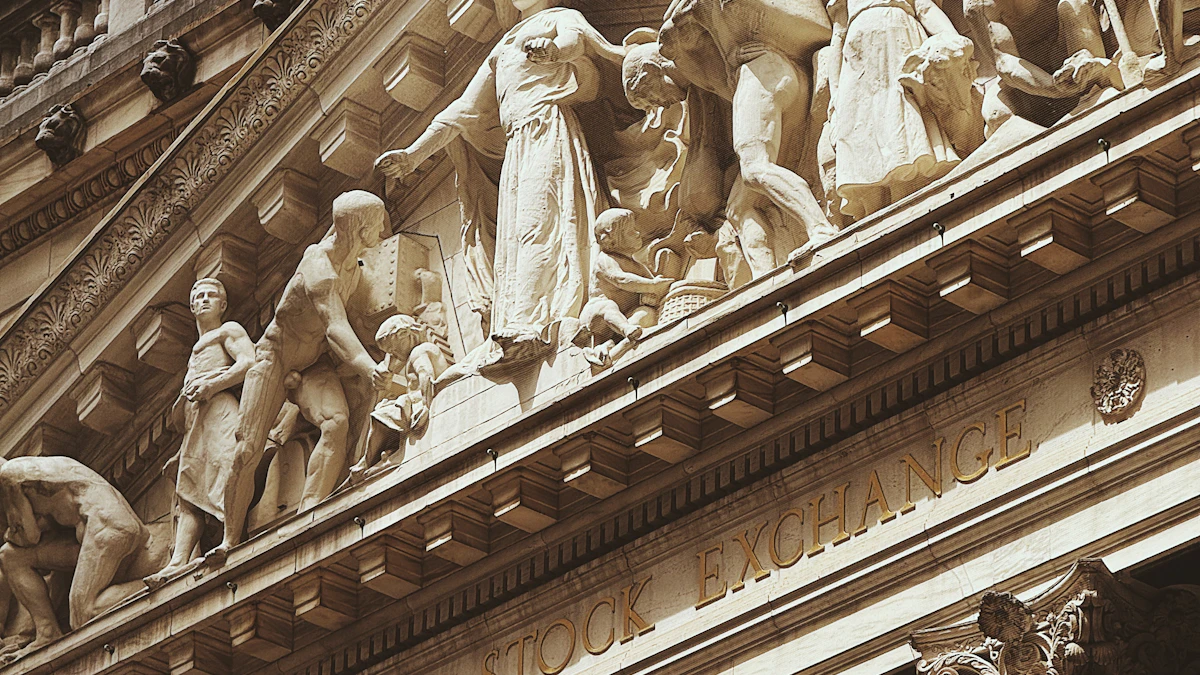
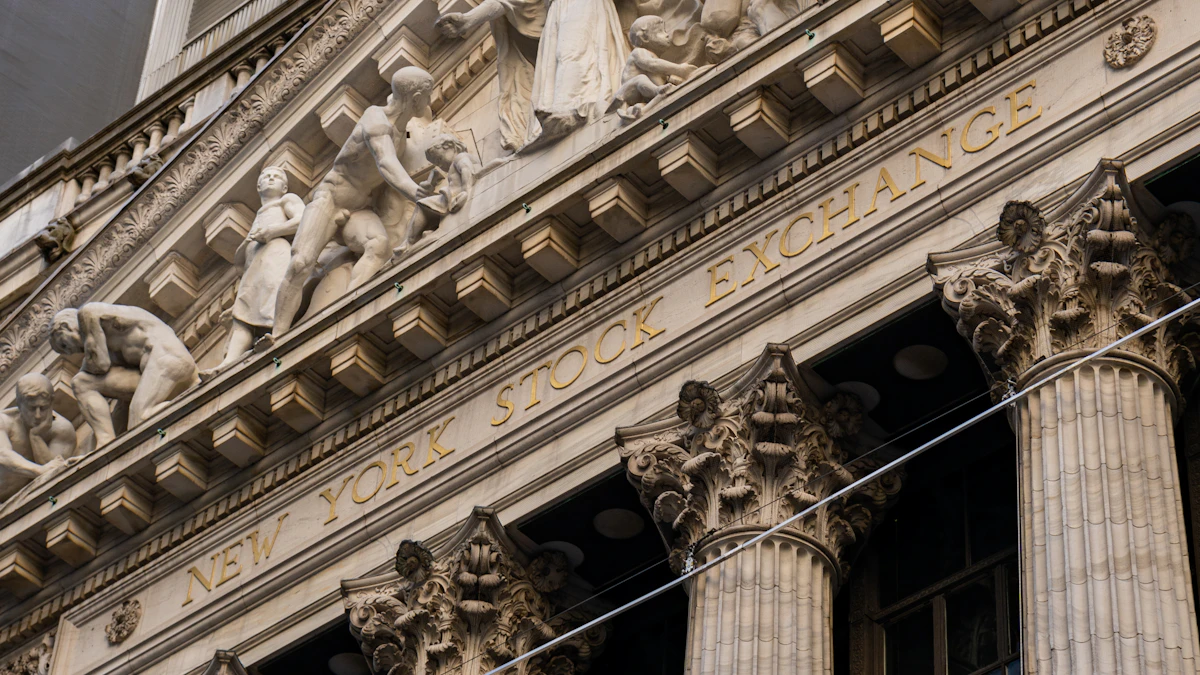
Could a share of stock settle on a blockchain at 3 a.m. on a Sunday? The New York Stock Exchange now has a partner it says can make that possible. On November 9, Ava Labs announced that Avalanche technology will serve as the core ledger for clearing and settlement on an upcoming NYSE affiliated platform for tokenized securities. The NYSE Avalanche tokenized stocks plan still needs regulatory approval and has no launch date, but it is one of the clearest signs yet of how a traditional exchange wants to move shares onchain.
Here are the questions readers are asking, answered with what has been confirmed so far.
What exactly did Ava Labs and the NYSE announce?
According to the Ava Labs announcement, Avalanche will provide the ledger technology behind clearing and settlement for an alternative trading system, or ATS, tied to the NYSE. An ATS is a regulated venue that matches buyers and sellers without being a national exchange itself.
The platform is built for tokenized equities, meaning shares represented as digital tokens on a blockchain. Trading and settlement are planned to run around the clock, seven days a week, once regulators sign off.
In a statement quoted by CoinDesk, the NYSE said it is looking at how blockchain technology can expand what it offers in equities and is "picking the right technology for each job." Its verdict on this one: "Avalanche meets all those needs."
Will NYSE stocks trade on the public Avalanche network?
Not according to Ava Labs. John Nahas, the company's chief business officer, told CoinDesk that the NYSE will run its own custom chain built on Avalanche technology rather than settling trades on the public Avalanche chain. Ava Labs offers a service called Ava Cloud for launching chains like this.
That distinction matters. A custom chain gives the operator control over who validates transactions and who can connect, which regulated market infrastructure usually needs. It also means stock trades will not simply sit alongside the public tokens and apps on Avalanche's main network.
Nahas said the arrangement "has been over a year in the making."
How would tokenized stock trading on the NYSE work?
CoinDesk describes the planned setup as two pieces working together. Orders would run through Pillar, the NYSE's existing trading engine, while blockchain based systems would handle clearing, settlement and custody. Funding would come through stablecoins.
Most US stock trades currently settle one business day after the trade. A ledger that runs nonstop could, in principle, settle trades far faster and outside normal market hours. The companies have not published settlement times, fees or trading hours for the new venue, so those details are still open.
The platform is also designed to support stocks issued on multiple blockchains, not only Avalanche. Neither company has said which other networks it might work with.
Who else is involved in the NYSE tokenization push?
The Avalanche news follows a busy stretch. In the week before, the NYSE expanded its network of transfer agents to six firms, according to CoinDesk: Broadridge, Computershare, Equiniti and Superstate joined existing partners Securitize and tZERO. Transfer agents keep the official record of who owns a company's shares, so a tokenized stock needs one to count as the real thing.
Separately, NYSE parent Intercontinental Exchange has a distinct tokenized stock venue with OKX. On the same day as the Avalanche announcement, CoinDesk reported that Robinhood backs the tokenization of its own stock on that OKX and ICE platform.
How does this compare with Nasdaq and DTCC?
The NYSE is not racing alone. CoinDesk reports that Nasdaq is developing its own tokenized equity infrastructure, including a partnership with the parent company of Kraken. Nasdaq has also become a home for crypto linked funds, such as the Canary staked INJ ETF.
The Depository Trust and Clearing Corporation, which sits behind most US securities settlement, launched a tokenization service in October 2026 using its private Besu based blockchain and the Canton Network. DTCC's service focuses on custody and transfers rather than running a trading venue, which leaves the NYSE plan aimed at a different part of the market.
Regulators have opened some doors as well. According to CoinDesk, an SEC innovation exemption allows select blockchain venues to trade tokenized stocks through automated market makers. Stock linked crypto products are moving on other fronts too, from the CFTC clearing equity perpetual futures to the lawsuit Cboe and Citadel filed against the CFTC.
Did the announcement move the AVAX price?
AVAX, the native token of the Avalanche network, was up about 8% over 24 hours at the time of CoinDesk's report. Because the NYSE plans to use a custom chain, it is not yet clear how much activity from the platform would ever reach the public network or the token. Crypto prices also swing with the wider market, which our crypto section follows daily.
When could regular investors buy a tokenized NYSE stock?
Not yet. Both the 24/7 trading and the settlement plan depend on regulatory approval, and neither company has offered a timeline. Washington adds another variable: after the midterms, Democrats won control of Congress, which could change the pace of crypto market structure rules.
The companies also have not said how retail investors would get access, whether through existing brokers, crypto wallets or both. That answer, more than the choice of blockchain, will decide whether tokenized NYSE shares reach ordinary portfolios.
Share this story
Spotted an error? Tell us