Key takeaways
- Wyden and Markey asked Meta for its 2021 human rights analysis of Ray-Ban Stories and every later privacy and safety assessment of its glasses.
- The letter questions whether the outward facing recording light can be tampered with or skipped by camera based AI features, and whether all bystanders can see it.
- Wearers can now opt out of visual data retention for AI training, but people captured on camera have no equivalent control, the senators say.
In this story 7 sections
- What are Wyden and Markey asking Meta to hand over?
- Why are senators worried about Meta AI glasses privacy now?
- Does the recording light actually warn people?
- Who at Meta can see what the glasses capture?
- Can bystanders get footage of themselves deleted?
- Has Meta responded to the letter?
- What should owners and everyone else do in the meantime?
Two Democratic senators want Mark Zuckerberg to explain what Meta knew about the privacy risks of its smart glasses before it sold them. In a letter dated October 28, Ron Wyden of Oregon and Edward Markey of Massachusetts pressed Meta on Meta AI glasses privacy, from secret filming of strangers to the way captured footage feeds the company's AI training. They gave Meta until November 25 to answer.
The letter landed as camera glasses move from novelty to mainstream, with rivals like the Xreal Aura Android XR glasses heading to buyers this fall. Here is what the senators asked, and what it means if you own a pair or simply walk past someone who does.
What are Wyden and Markey asking Meta to hand over?
The core request is paperwork. According to the senators' letter to Meta, they want the human rights analysis Meta referenced in its 2021 Human Rights Report, which covered the original Ray-Ban Stories, plus every impact, privacy and safety assessment the company has done on its glasses since then.
They also ask a set of pointed questions. Did Meta weigh the risk of voyeurism and recording people without consent? If so, what safeguards did it add, how much risk did it think was left over, and why did it launch anyway? The letter asks whether Meta's women's safety and intimate image abuse teams had a hand in the product's design at all.
Why are senators worried about Meta AI glasses privacy now?
The letter points to a run of reports about the glasses being used to film people covertly. It cites a 404 Media investigation from October 2025 about men secretly recording women and posting the clips to Instagram, and a BBC report on covert filming and harassment that included a woman whose phone number was published online.
It also raises a second, quieter problem: what happens to footage after it is captured. The senators cite reports that contractors reviewing glasses imagery saw people undressing, using the bathroom and in other intimate moments. The letter says more than 70 plaintiffs have sued Meta, alleging that sensitive footage was captured and then disclosed to contractors overseas.
The senators argue Meta identified bystander privacy risks before launch and shipped the product regardless. They describe the company's stated commitment to fighting intimate image abuse as ringing hollow.
Does the recording light actually warn people?
Meta's glasses have an outward facing recording indicator, and the senators want to know how well it works. They ask whether Meta tested for accidental camera activation, for people tampering with the indicator so it does not light up, and for camera based AI features that may use the camera without triggering the light at all.
They also ask whether bystanders can see the indicator in different conditions, and whether Meta considered people who are low vision or blind and would never notice a small light. If the warning only works for some people some of the time, the argument goes, it is not much of a warning.
Who at Meta can see what the glasses capture?
This is where the letter digs into AI training. The senators ask which employees and contractors can access imagery from the glasses, which countries that review happens in, and what the contracts with those reviewers say. They want to know when glasses imagery is used to train Meta's AI, and whether Meta uses all eligible footage or only a selected portion, along with the criteria for picking it.
There is also a question about blurring. Meta blurs faces and license plates in some contexts on Facebook and Instagram, and the senators ask whether the glasses do the same in certain visual AI interactions, and if not, what comparable protection exists.
If you have thought about how chatbots keep what you tell them, the logic is similar to how ChatGPT memory stores and uses your data, except here the data includes people who never agreed to be part of it.
Can bystanders get footage of themselves deleted?
Right now, the letter suggests, not in any meaningful way. The senators note that Meta recently added an option for wearers to stop their visual data from being kept for AI training. People who end up in the frame have no equivalent control.
So the letter asks whether both owners and captured bystanders can request deletion of biometric and other data, how Meta makes sure that deletion actually happens, and what other forms of redress exist for people whose intimate images were captured or shared.
Has Meta responded to the letter?
Not publicly, as far as the coverage shows. Engadget, which reported the letter on October 30, did not include a response from Meta, and the letter itself sets a reply date of November 25. Senators' letters like this one carry no legal force on their own, but they often shape later hearings and bills, and Engadget notes that California Gov. Gavin Newsom vetoed a smart glasses privacy bill this month.
What should owners and everyone else do in the meantime?
If you wear Meta's glasses, check the AI and privacy settings in the companion app and turn off retention of your visual data for AI training if you do not want it used. Treat the camera the way you would a phone held up at eye level: ask before recording people in private spaces, and do not post clips of strangers without their consent.
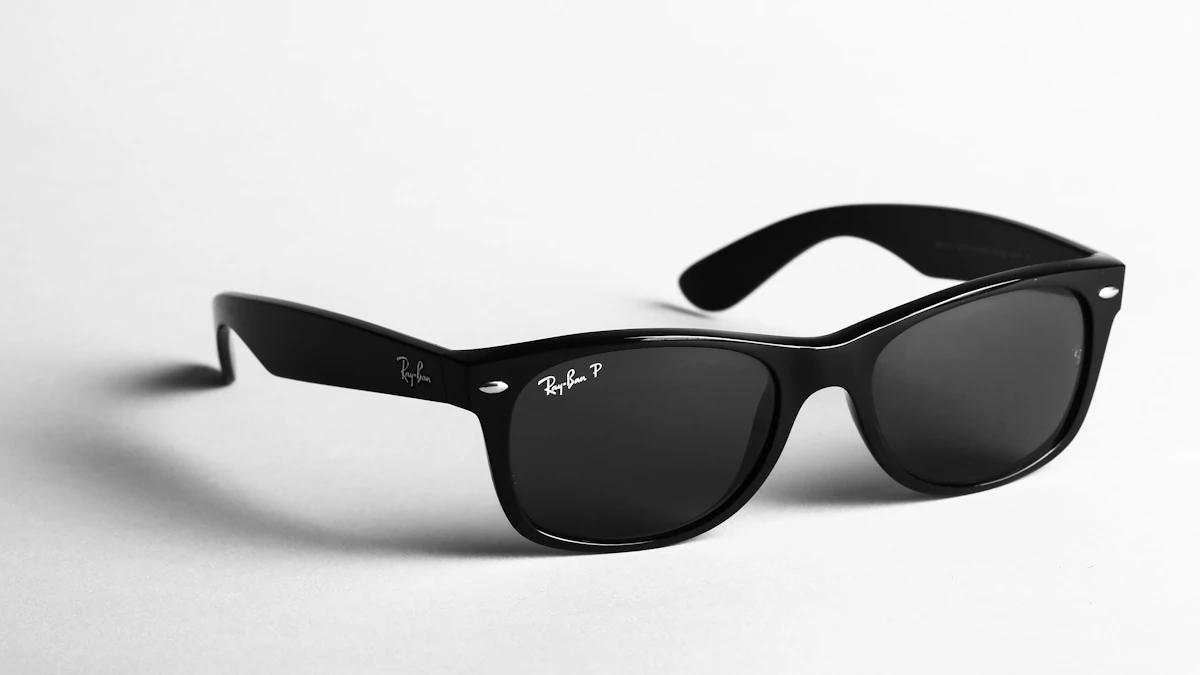
If you are on the other side of the lens, a small light near the temple of a pair of sunglasses is the main clue, and the senators' question about visibility is a fair one. People who want devices with less camera exposure have options, from a screenless smart ring like the Ultrahuman Ring Pro to sticking with a phone. And if you suspect your own devices are capturing more than they should, our guide on how to tell if your phone is hacked walks through the warning signs.
Meta's answer, if it arrives by the November 25 deadline, will be the first detailed public account of how the company weighed these risks. For more on wearables and camera gear, see the latest in gadgets.
Share this story
Spotted an error? Tell us