Key takeaways
- The deal is expected to close October 6 and the company will be called Skydance.
- Warner Bros. Discovery shareholders get $31 per share in cash plus a small daily amount after September 30.
- No plan for HBO Max and Paramount+ has been announced.
Two of Hollywood's biggest libraries are about to share an owner. Paramount Skydance expects to complete its acquisition of Warner Bros. Discovery on October 6, 2026, Yahoo Finance reported, subject to customary closing conditions. TechCrunch reported the deal is valued at about $110 billion and that the combined company will take the name Skydance, after the production company David Ellison founded before he became Paramount's chief executive.
For shareholders the terms are now set. For the millions of people who pay for HBO Max or Paramount+, most of the important questions remain open.
The Paramount Skydance and Warner Bros. Discovery deal at a glance
- Value: about $110 billion, according to TechCrunch.
- Expected closing: October 6, 2026, according to Yahoo Finance.
- New corporate name: Skydance.
- Price for Warner Bros. Discovery shareholders: $31 in cash per share, plus a small daily amount.
TechCrunch reported that a judge approved a settlement with state attorneys general in the week before the announcement. Twelve states had challenged the merger, arguing it could reduce competition and hurt consumers and workers. TechCrunch also noted that Netflix had earlier agreed to buy Warner Bros.' studio and streaming businesses before this broader combination moved ahead.
What shareholders receive
According to Yahoo Finance, Warner Bros. Discovery shareholders will receive $31 in cash per share. The deal also includes a ticking fee, a small daily amount of about $0.0028 per share for each day after September 30 until closing. If the deal closes on October 6 as planned, Yahoo Finance calculated the total at just over $31.01 per share.
Ticking fees are common in large deals that take a long time to clear regulators. They compensate the seller's shareholders for waiting and give the buyer a reason to finish quickly. Here the amount is tiny per share, but across a company of this size it adds up.
What it brings together
The merger puts Warner Bros. film and television, HBO, CNN and the Discovery networks under the same roof as Paramount Pictures, CBS and the Paramount+ streaming service. Yahoo Finance listed Nickelodeon and the free Pluto TV service on the Paramount side as well, and TechCrunch noted cable channels such as MTV, TBS, Comedy Central and Food Network.
The franchise list is long. TechCrunch pointed to "The Lord of the Rings," "Game of Thrones," the DC Universe and "Yellowstone" as examples of what now sits in one company. That is an enormous amount of the content people watch, owned by a single business.
Ellison has said both brands will stay visible. "We never wanted a new corporate identity to diminish, alter or overshadow either one," he said, according to TechCrunch. In practice that suggests the Paramount and Warner Bros. names will keep appearing on films and shows, with Skydance as the parent.
What is still unclear for viewers
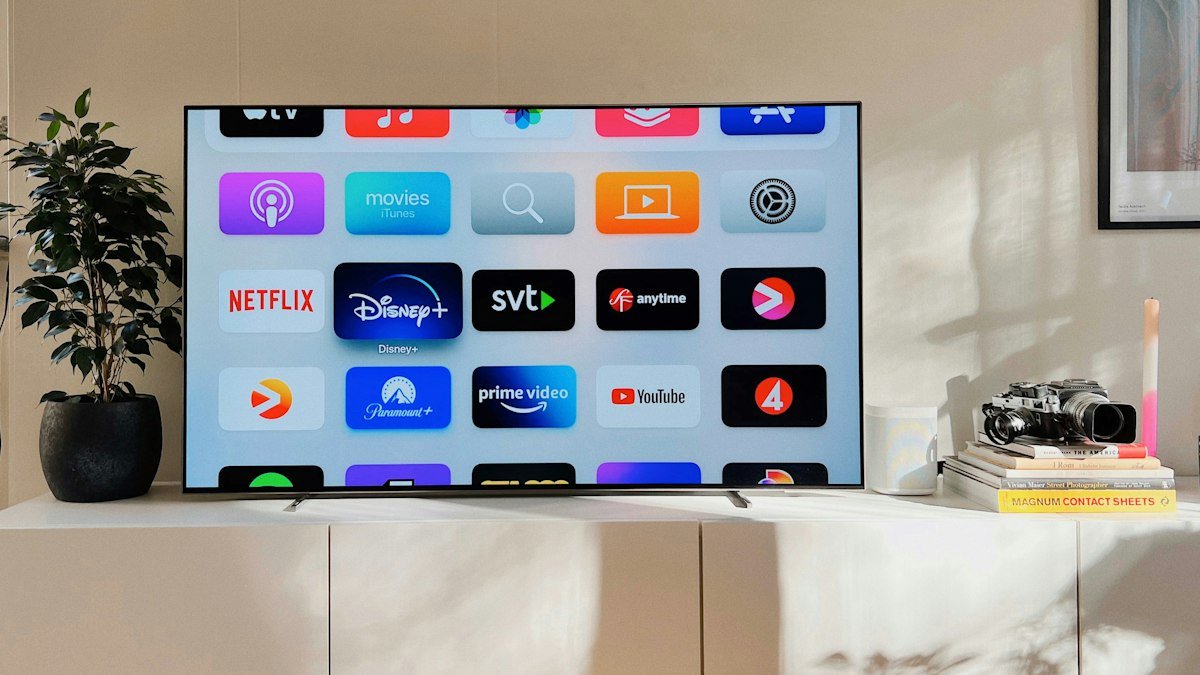
The companies have not announced whether HBO Max and Paramount+ will be merged, bundled or kept separate. Prices for both services are also unchanged for now.
Large media mergers usually take months to change what subscribers see, so expect any streaming announcement to come after the deal closes rather than on day one. Behind the scenes there is a lot to sort out: two technology platforms, two sets of licensing contracts, separate advertising tiers and different international arrangements.
There are a few broad paths the new owner could take:
- Keep both apps and sell a bundle. This is the lightest lift and keeps both brands intact, which fits Ellison's comments.
- Fold one service into the other. This saves money on technology and marketing but forces millions of people to switch apps and accounts.
- Run them separately for now. Some combined companies leave things alone for a long stretch while they work out the economics.
None of these has been announced, and any of them could change. Treat claims of a specific plan with caution until the company confirms it.
Who it affects
Subscribers. Nothing changes on closing day. Your logins, watchlists and billing stay where they are. If a merger of services happens later, you should get notice before your account moves.
Cable customers. CNN, CBS and many cable networks now share an owner. That could matter in carriage negotiations with pay TV providers, which sometimes lead to channels going dark while the two sides argue over fees.
Workers and creators. The states that challenged the deal raised concerns about workers. Large mergers often bring cost cutting, and the industry will be watching for layoffs and changes to production budgets.
Competitors. A combined library this size gives the new company more leverage with distributors and advertisers. Rival streamers will feel that in licensing talks.
Why it matters
Fewer, larger companies now control most of the shows and films people stream. That can mean bigger bundles, but it can also mean less competition on price. Consolidation tends to follow the same pattern across tech: a few large owners, fewer independent options, and more control over how content is distributed. We have seen a similar dynamic online, as we argued in our piece on how the open web is shrinking.
The deal is also a bet that scale wins in streaming, much as the AI industry is betting that scale wins in computing. As Bain's latest technology report showed for AI, very large bets need very large revenue to pay off, and subscribers are where that revenue comes from.
What to do if you subscribe
- Keep an eye on official emails, and be careful with fake ones. Big brand changes are a gift to phishing crews. If a message says you must "verify" your HBO Max or Paramount+ account because of the merger, open the app directly instead of clicking a link. Our guide to protecting your online accounts explains what to look for.
- Compare any bundle offer with what you pay today. A bundle is only a deal if you would otherwise keep both services.
- Check your devices. If the apps do merge, older smart TVs and streaming sticks sometimes lose support for new apps. Our smart home starter guide covers how to pick devices without wasting money.
More coverage of the companies reshaping media and tech is in our tech section.
Frequently asked questions
When does the deal close?
Paramount Skydance expects to close on October 6, 2026, according to Yahoo Finance, subject to customary conditions.
Will HBO Max and Paramount+ merge?
No decision has been announced. Prices and service structures are unchanged for now, and any changes are likely to come after closing.
What is the new company called?
TechCrunch reported the combined company will be called Skydance. The Paramount and Warner Bros. brands are expected to remain on films and shows.
How much do Warner Bros. Discovery shareholders get?
$31 in cash per share, plus a daily ticking fee of about $0.0028 per share for each day after September 30 until the deal closes.
Sources
Share this story
Spotted an error? Tell us