Key takeaways
- Trump posted on Truth Social on October 21 that data center builders should pay host communities or residents a dividend.
- Reporting so far describes a social media post, not a signed order, with no amount, payer or enforcement named.
- Polls show about 71 to 72 percent of Americans oppose new data centers near them, and some Republican Senate candidates want tighter oversight.
President Donald Trump wants AI companies to win over skeptical towns with cash. In a Truth Social post on Wednesday, October 21, he said data center builders should pay the communities around their sites, or people living in them, a "dividend." The idea of data center dividends lands two weeks before the November 3 midterm elections, at a moment when polls show most Americans do not want a new data center near their homes.
The post is short, and it leaves a lot unanswered. It does not name a dollar amount, a company or a formal program. But it signals a change in tone from a White House that has spent much of the year cheering on rapid AI buildout and dismissing local opposition. Here is what we know, what is still unclear and why it matters for the AI industry.
What Trump said about data center dividends
According to Al Jazeera, the president wrote: "If companies want to make their Data Centers popular, pay the community, and/or individuals within the community, a 'dividend'." He added that he had "watched the process closely" and that data centers that were "highly unpopular in a certain area, have become extremely popular when a financial deal is struck." He closed with a familiar line in capital letters: "MAKE DEALS, and get them built!!!"
That is the full extent of the direct quotes reported so far. Al Jazeera describes the message as a social media post and a "shift" in the president's messaging. It does not describe it as an executive order or a binding rule.
Tom's Hardware framed the post more strongly. Its headline calls it a "mandate" and says data centers would have to make their own electricity and give or sell excess energy back to local communities. The outlet suggested a dividend could take the form of helping cover rising electricity costs, but it also wrote that how this "will practically transpire is yet to be seen." The quoted text of the post itself does not contain mandate language, so for now it is safest to read it as a public call to action rather than a new federal requirement.
Why the tone shift matters
For most of 2026, the administration has treated data centers as a national priority. Al Jazeera notes that Trump "doubled down" on his support in late August, saying that the only reason communities should not want data centers "is if they want to end up being backwards and poor." He also called the anti data center movement a gift to China.
Policy has followed that line. Al Jazeera reports that an earlier executive order called for faster permitting and environmental review and promised federal land for the "expeditious and orderly development of data centers." The president has also backed a voluntary pledge from AI companies to cover the full cost of the power their facilities use, while avoiding legally binding federal limits.
What changed is the politics. A Gallup poll from March found 71 percent of Americans opposed AI data centers in their area, according to Al Jazeera, and an ABC News, Washington Post and Ipsos poll released Wednesday put opposition to new local data centers at 72 percent. That is an unusual level of agreement in a divided country, and it now cuts across party lines.
Republicans are breaking ranks
Al Jazeera reports that several Republican Senate candidates have called for more restrictions and oversight of data centers, in a reversal of earlier positions. The outlet names Ken Paxton in Texas, Mike Rogers in Michigan and John Husted in Ohio. Ashley Hinson, running for Senate in Iowa, said local communities should decide whether to build them.
Seen against that backdrop, the dividend post looks like an attempt to keep the AI buildout moving while giving voters something tangible in return. Instead of telling towns they are wrong to object, the message is closer to "get paid for it."
Who would be affected
If the idea turns into real deals, three groups feel it first.
Hyperscalers and AI labs
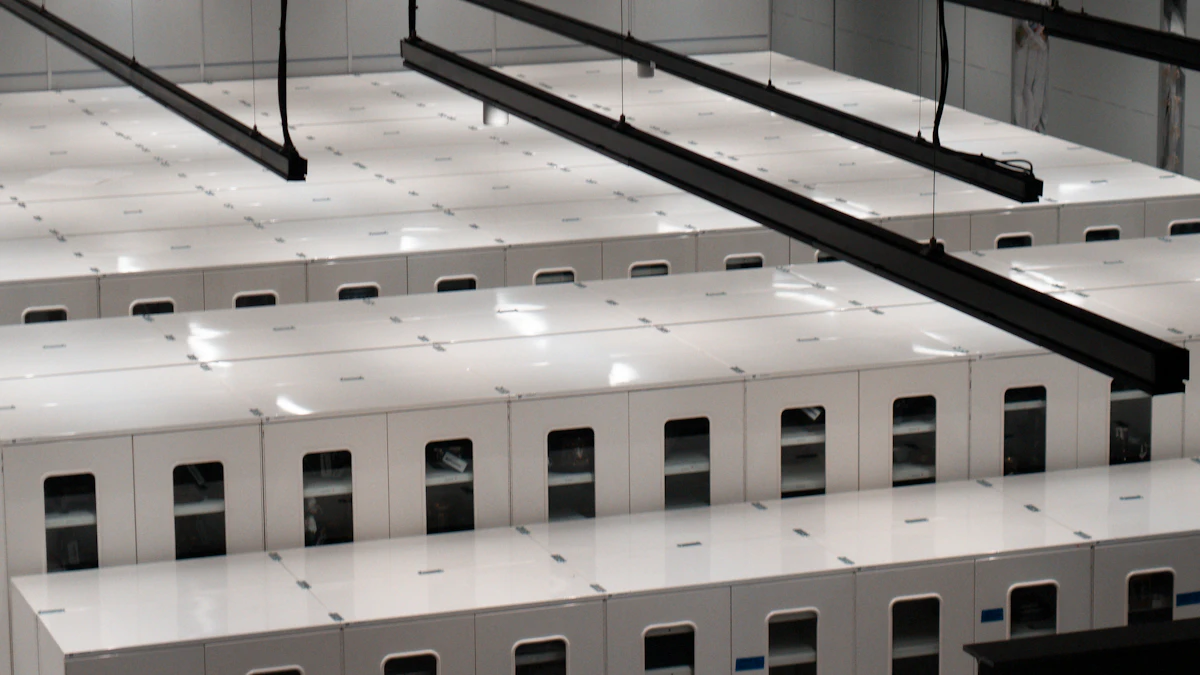
The companies racing to add computing capacity are the obvious payers. Building a large AI campus already involves land, power contracts, water rights, tax incentives and grid upgrades. A community dividend would add another line to that budget. The financing pressure on this sector is already visible. We covered how CoreWeave stock plunged as bond yields climbed and how SpaceX lined up $40 billion in debt for Nvidia chips. Extra community payments would make thin margins thinner, at least in the short run.
Local governments
Towns and counties are the ones negotiating. Many already strike host agreements with developers that include tax payments or local investment. Tom's Hardware points to related moves at the state level, including a New York recommendation of $1 million per megawatt in community investment and Virginia rules that require firms to pay for upstream electrical infrastructure. A presidential nudge could give local officials more leverage to ask for direct payments on top of those deals.
Residents and ratepayers
The concern most residents raise is the electric bill. Tom's Hardware ties the dividend idea to rising power prices and notes that a recently passed law already requires data centers to pay for grid upgrades. Whether households would see a check, a credit on their utility bill or simply indirect public spending is not spelled out anywhere yet.
What is still unclear
The post raises more questions than it answers:
- Is it binding? Nothing reported so far describes a signed order, rule or bill tied to the dividend idea.
- Who pays, and how much? No formula, minimum or company has been named.
- Who receives it? Trump mentioned both "the community" and "individuals within the community," which could mean very different structures.
- How would it be enforced? Without a legal mechanism, it relies on companies choosing to make deals.
Some readers of the Tom's Hardware piece questioned whether a president can impose such a requirement at all. That debate will matter only if the White House follows up with something formal.
How this fits the wider AI policy fight
The data center question is part of a broader argument over how much control Washington should have over AI. Congress is weighing proposals on AI safety, and we reported on an Anthropic AI safety bill draft circulating in Congress. States are also pushing their own approach, as seen when several states sued OpenAI over ChatGPT child safety. Industry leaders have started to talk about limits too, including Satya Nadella's call for an AI emergency brake.
Physical infrastructure is where those abstract debates meet everyday life. A model release rarely changes a voter's monthly costs. A new power hungry campus down the road might. That is why the dividend idea, vague as it is, could end up shaping AI policy more than many headline announcements.
What to watch next
Over the coming weeks, look for three signals. First, whether the White House turns the post into a formal policy document. Second, whether any major AI company publicly offers a community payment in response. Third, how the issue plays in Senate races in states with heavy data center construction, such as Texas, Ohio and Iowa.
For more coverage of government action on artificial intelligence, visit our AI news section.
Frequently asked questions
What are data center dividends?
It is Trump's term for payments that data center companies would make to the communities hosting their facilities, or to people living there. No formal definition or amount has been published.
Is this an executive order?
Based on reporting from Al Jazeera, it was a Truth Social post, not a signed order. Tom's Hardware described it as a mandate, but the quoted text does not include binding language.
Why is Trump raising this now?
The post comes shortly before the November 3 midterms. Polls show roughly seven in ten Americans oppose new data centers near them, and some Republican Senate candidates have called for tighter oversight.
Will this lower my electric bill?
Nobody knows yet. Tom's Hardware suggested a dividend could offset higher power costs, but no mechanism has been announced.
Sources
Share this story
Spotted an error? Tell us