Key takeaways
- Signal said on Nov. 20 that it now prevents screenshots inside its app on iOS 27 to keep operating system AI assistants such as Siri AI from capturing chats.
- On Android, Signal turns on its Screen security setting automatically when it can detect an AI assistant reading the screen, though it said detection does not work on every phone maker's build.
- Signal said it cannot reliably block screenshots on macOS and asked Apple, Google and Microsoft to give developers an easy opt out from AI data access.
In this story 3 sections
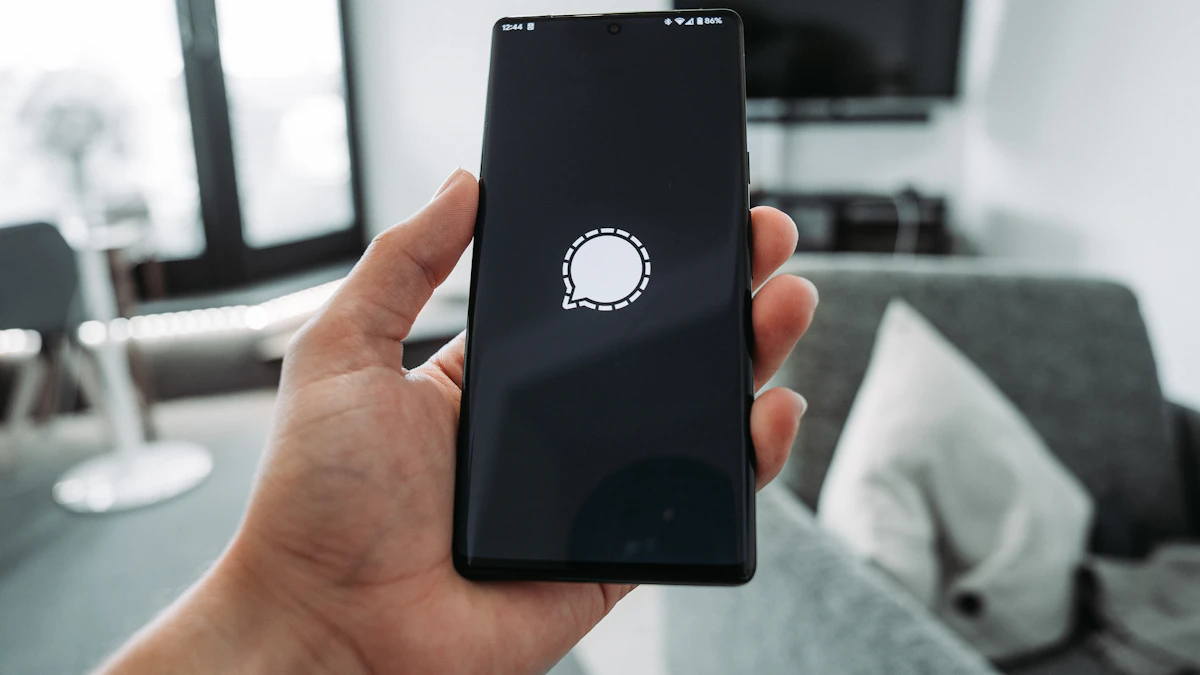
Signal has begun blocking screenshots inside its mobile app by default, a change the nonprofit messaging service says is meant to stop the AI assistants now built into phone operating systems from reading private conversations. The update to Signal screen security was laid out in a Nov. 20 blog post by Meredith Whittaker, president of the Signal Foundation.
The reasoning, according to the post, is that assistants able to see whatever is on a phone's display can capture and keep message content, and Signal wants that content off limits unless a user decides otherwise.
What changes on iPhone, Android and Mac
The protection works differently on each platform, and one is not covered at all:
- iPhone on iOS 27. Signal now prevents screenshots from being taken within the app. Among the assistants the post names is Onscreen Awareness, part of the Siri AI features from Apple (NASDAQ: AAPL). The post also shows a "Block Siri AI" option in the iOS settings app.
- Android. When Signal can tell that an AI assistant is trying to read the screen, it switches on its existing Screen security setting automatically. Signal said it cannot detect this reliably on every Android version that phone makers ship. The post names Gemini Intelligence from Google, the Alphabet (NASDAQ: GOOGL) unit, as one of the assistants in question.
- Mac. Signal said it has no dependable way to block screenshots on macOS. Its only advice for macOS 27 users is to add Signal to the Excluded Apps list in System Settings under Siri.
People who prefer the earlier behavior can turn the protection off in Signal's own settings, the post said, with a warning that doing so leaves chat content open to AI agents.
Built on a 2025 move against Recall
This is not the first time Signal has used screenshot blocking this way. In 2025 it applied the same technique on Windows 11 so that Recall, the Microsoft (NASDAQ: MSFT) feature that saves snapshots of a user's screen, could not capture Signal messages by default. The new post carries that idea to phones, where assistants are being wired directly into the operating system.
Signal was candid about the limits. Blocking screenshots does nothing about other ways an agent could get at data, such as reading files already stored on the device, the post said. That gap matters as more assistants gain the ability to act inside apps, as the Gemini Mac app now does in the background.
What Signal is asking of Apple, Google and Microsoft
Whittaker's post calls on the three platform owners to give app developers a simple way to opt out of AI data access, and to publish clearer documentation of how their agents collect and use what they see. It also names Muse from Meta Platforms (NASDAQ: META) as a third party agent that needs the same scrutiny, and points to a related effort by the Electronic Frontier Foundation.
None of the companies' responses are included in the post. For more on how AI services handle user data, see our report on OpenRouter's data retention changes, and find more privacy and security news on our tech page.
Share this story
Spotted an error? Tell us