Key takeaways
- The iPhone 17e starts at $699 and includes Assistive Access, a simplified layout that a family member can set up in Settings > Accessibility > Assistive Access.
- The Google Pixel 10a starts at $599 and comes with 7 years of OS and security updates, while the Galaxy A37 5G offers a 6.7 inch screen for $439.99 on sale.
- Lively's Jitterbug Smart5 and Flip3 cost $89.99 and $59.99 on sale, but their Urgent Response help service requires a Preferred or Premium plan that costs about $20 more a month than Basic.
In this story 9 sections
- How we chose these phones
- Best for iPhone families: iPhone 17e
- Best Android for long support: Google Pixel 10a
- Best big screen for the money: Samsung Galaxy A37 5G
- Best simple smartphone with a help button: Jitterbug Smart5
- Best flip phone: Jitterbug Flip3
- Best for memory loss: RAZ Memory Cell Phone
- Phones and plans to skip
- Quick checklist before you buy
Most older adults don't need a special phone. They need the right phone for how they actually live: someone who video calls the grandkids every Sunday wants a different device than someone who only answers calls and worries about falling at home. The best phone for seniors is the one that matches eyesight, hearing, memory and budget, and that a family member can help set up without a headache.
Below are six picks, each matched to a specific need, with prices as of October 2026.
How we chose these phones
We did not test these phones ourselves. We compared the makers' published specs, prices and support policies on their official US pages, read the plan details from the carriers that sell senior phones, and checked independent review sites such as The Senior List for hearing aid ratings. We favored phones currently sold new in the US, with large screens, long software support or a direct way to reach help. Prices change often, so treat the figures below as a snapshot.
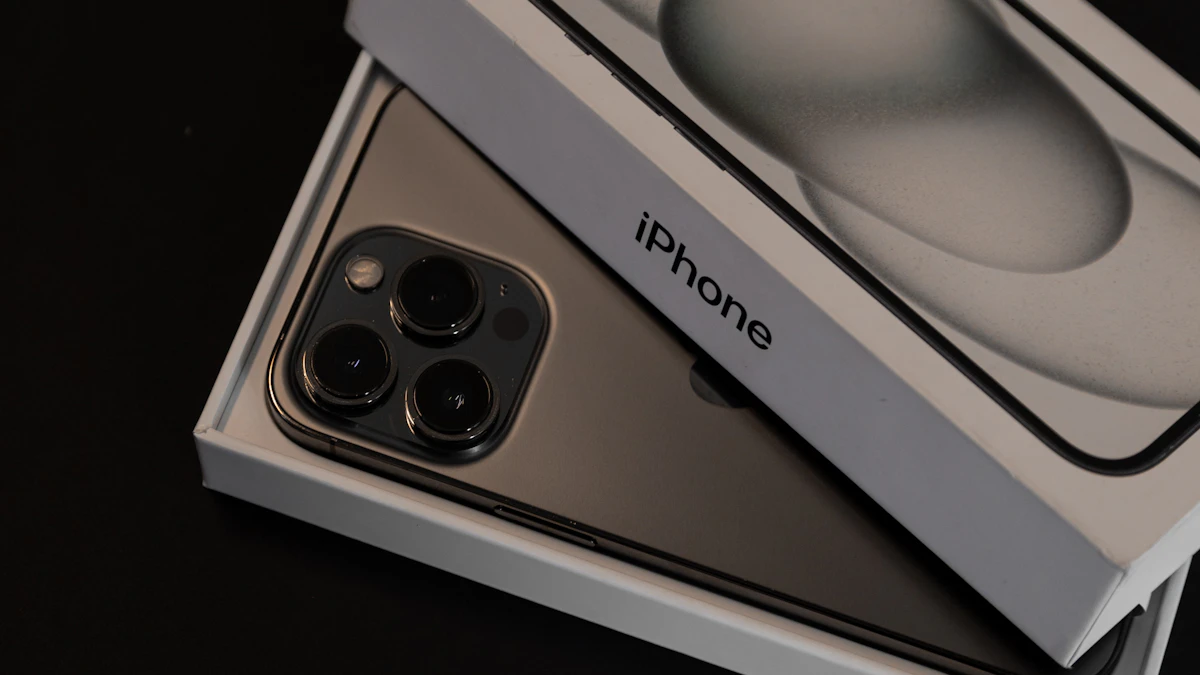
Best for iPhone families: iPhone 17e
Who it's for: anyone whose children or grandchildren already use iPhones and share photos, FaceTime and locations through Apple's apps.
Why it stands out: the iPhone 17e starts at $699 unlocked with 256GB of storage and a 6.1 inch screen, according to Apple. Apple lists Crash Detection, which can call for help after a severe car crash, and Emergency SOS via satellite, which lets you text emergency services when there is no cell signal. The bigger reason it suits many seniors is Assistive Access, a simplified iPhone layout with large buttons and only the apps you choose. Apple's setup guide says you turn it on in Settings > Accessibility > Assistive Access, then tap Set Up Assistive Access. A family member can do the setup and create a passcode so the simple layout stays put.
Downsides: $699 is a lot for someone who mainly makes calls. The screen is smaller than the big Android picks below.
Price at the time of writing (October 2026): $699 unlocked.
If you are still deciding between platforms, our iPhone vs Android comparison walks through the tradeoffs.
Best Android for long support: Google Pixel 10a
Who it's for: someone who wants a regular Android smartphone and plans to keep it for many years.
Why it stands out: the Google Store lists the Pixel 10a from $599 with a 6.3 inch display and 7 years of OS and security updates. That matters for older adults who rarely replace phones, because a phone that stops getting security fixes becomes an easier target for scams and malware. Google also lists satellite SOS, which connects you to emergency services and shares your location when there is no cellular or Wi-Fi signal.
Downsides: it costs $160 more than the Galaxy below, and the screen is a bit smaller.
Price at the time of writing (October 2026): from $599.
Best big screen for the money: Samsung Galaxy A37 5G
Who it's for: readers with weaker eyesight who want a large, bright screen without paying flagship prices.
Why it stands out: Samsung lists a 6.7 inch Super AMOLED display, an IP68 water and dust rating, and 6 OS upgrades plus 6 years of security updates. Samsung's US store showed the unlocked 128GB model at $439.99, down from $489.99, when we checked.
Downsides: Samsung's product page does not list satellite emergency texting, which the Pixel and iPhone offer. Galaxy phones also come with more preloaded apps and menus, so expect to spend some time tidying the home screen for a first time smartphone user.
Price at the time of writing (October 2026): $439.99 on sale, $489.99 regular.
Best simple smartphone with a help button: Jitterbug Smart5
Who it's for: someone who wants a touchscreen for photos and video calls but feels lost in a standard phone's menus, and whose family wants a quick way to get them help.
Why it stands out: Lively's Smart5 has a 6.75 inch screen, a 50MP rear camera, a 5,010mAh battery rated for up to two days, and a dedicated Urgent Response button that connects to a 24/7 emergency service. Lively lists the phone at $89.99 on sale ($119.99 regular).
Downsides: the phone only works with a Lively plan, and the help button needs the right tier. Lively's plan page lists smartphone plans at $19.99 (Basic), $39.99 (Preferred) and $49.99 (Premium) a month, and says Urgent Response and the Lively Link family app require Preferred or Premium. Add a $35 activation fee and a $3.23 monthly admin fee plus taxes. Lively does not list fall detection on the Smart5 page.
Price at the time of writing (October 2026): $89.99 on sale, $119.99 regular, plus a required plan.
Best flip phone: Jitterbug Flip3
Who it's for: people who just want to call and text, with real buttons and nothing to swipe.
Why it stands out: the Flip3 has a 3.2 inch screen, physical keys, a 3,000mAh battery rated for up to 12 hours of talk time and a Help button that can be upgraded to Lively's Urgent Response service. Lively's flip plans start at $14.99 a month for 300 minutes and 300 texts, with unlimited talk and text for $5 more.
Downsides: like the Smart5, it is locked to Lively's service, and emergency response again means a Preferred ($34.99) or Premium ($44.99) flip plan. The small screen is not great for photos or video calls.
Price at the time of writing (October 2026): $59.99 on sale (the listed offer runs through December 19, 2026), $79.99 regular.
Best for memory loss: RAZ Memory Cell Phone
Who it's for: someone with dementia or serious memory issues, where even a simple menu causes confusion.
Why it stands out: Lively sells the RAZ Memory Cell Phone from $369 and describes it as built for people with cognitive decline. The Senior List rates it M4/T3 for hearing aid compatibility. Its appeal is that caregivers can strip the phone down to a few contacts, so there is little to tap by mistake.
Downsides: it costs far more than the Jitterbug phones while doing less, on purpose. If the person already uses an iPhone comfortably, Assistive Access on the iPhone 17e is an alternative worth trying first.
Price at the time of writing (October 2026): from $369.
Phones and plans to skip
- Very old refurbished models. Retailers still sell phones from 2020 and 2021. They look like bargains, but an older phone gets fewer years of security fixes than a new budget model. Ask how long updates will last before buying.
- UK only senior phones. Several popular senior phones in roundups, such as some Doro models, are not sold through US carriers. Check that the phone works on US networks.
- Paying for a help button you won't use. The Urgent Response feature on Jitterbug phones adds $20 or more a month over the Basic plan. If the person already wears a medical alert pendant, the cheaper plan may be enough.
Whatever phone you choose, spend ten minutes on scam protection. Our guide to spotting AI voice and deepfake scams covers the fake grandchild call that targets older relatives, and how to know if a phone is hacked explains the warning signs.
Quick checklist before you buy
- Screen size: 6.5 inches or larger for weaker eyesight; a flip phone if buttons matter more than the screen.
- Hearing aids: look for an M3/T3 rating or better, which The Senior List considers suitable for hearing aid users.
- Emergency help: decide between satellite SOS and crash detection (iPhone 17e, Pixel 10a) or a staffed Urgent Response service (Jitterbug, paid monthly).
- Updates: prefer phones promising at least 6 years of security updates.
- Total monthly cost: add the plan, admin fees and any emergency service tier, not just the phone price.
- Who will help: pick the platform the family already knows, so support is a phone call away.
For a deeper look at specs that matter on any handset, read our smartphone buying guide, or browse more phone coverage in our gadgets section. One last tip: set the phone up together before handing it over, with favorite contacts saved, text enlarged and emergency contacts filled in, so day one feels familiar instead of new.
Sources
Share this story
Spotted an error? Tell us