Key takeaways
- The FBI received more than 13,400 complaints involving crypto kiosks in 2025, with reported losses over $388 million, up 58% from 2024.
- Only scan a QR code generated by your own wallet app, because a code handed to you by someone else sends your bitcoin to their wallet.
- If you already sent money through a bitcoin ATM, keep the receipt, report it at ic3.gov and ReportFraud.ftc.gov, and ignore anyone offering paid recovery.
In this story 5 sections
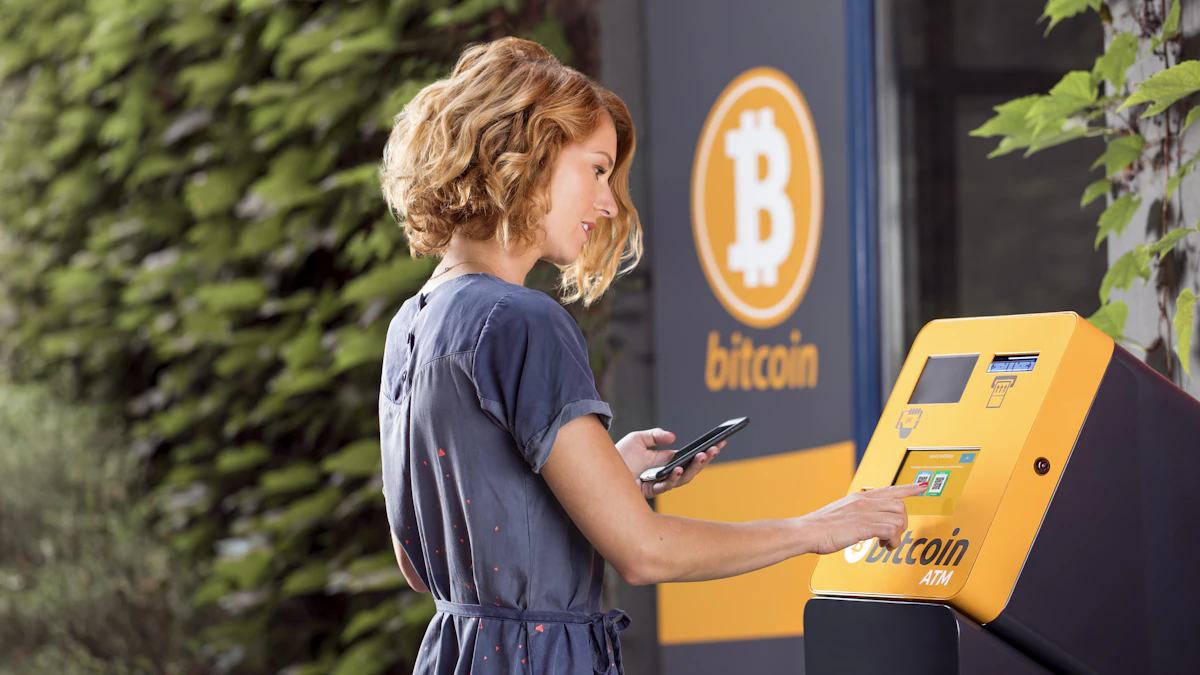
You have a stack of twenties and you want bitcoin without linking a bank account. That is a perfectly legal goal, and a bitcoin ATM or a cash deposit into a payment app can get you there. The catch is that the same machines have become a favorite tool of scammers. If you are working out how to buy bitcoin with cash, the safe version comes down to one question: whose wallet is that money really going to? This checklist covers the warning signs, the steps for a clean purchase and what to do if something already went wrong.
Why cash bitcoin purchases attract so many scams
Cash is fast, and bitcoin sent from a kiosk is hard to claw back. The Federal Trade Commission points out that crypto payments typically are not reversible and do not carry the legal protections you get with a credit card.
The numbers show how often that gets exploited. The FTC reported that losses at bitcoin ATMs grew nearly tenfold from 2020 to 2023, passing $110 million that year, and topped $65 million in just the first half of 2024. The median reported loss in that period was $10,000. FBI figures are higher still. In a May 2026 public service announcement, the bureau's Internet Crime Complaint Center said it received more than 13,400 complaints involving crypto kiosks in 2025, with losses over $388 million, a 58% jump from 2024. More than half of those complaints came from people over 50.
None of this means the machines themselves are fake. Most scams work because someone else is telling the buyer what to do.
Red flags that mean stop before you insert cash
- Someone you have never met in person told you to go to a bitcoin ATM. The FTC is blunt about this: only scammers demand payment in cryptocurrency.
- The request came from a caller claiming to be the government, police, your bank or tech support. In the FTC's data, government impersonation, business impersonation and tech support schemes made up the bulk of bitcoin ATM losses.
- You were handed a QR code to scan. A code you did not create in your own wallet app sends the coins to someone else.
- The person stays on the phone while you stand at the machine and walks you through each screen.
- You are told to pull out a large amount of cash, sometimes in big bills, and to keep the reason from the bank teller.
- You are told your money must be "protected" or "moved" because of fraud, a hacked account or a legal problem. Real agencies and banks never fix problems this way.
- Someone promises guaranteed returns, or a new romantic interest starts talking about investing.
- The kiosk shows a fraud warning and someone urges you to tap past it.
If even one of these fits, walk away. You lose nothing by stopping, and you can call your bank or a family member using a number you already know.
A step by step checklist for buying bitcoin with cash safely
Before you leave home
- Set up your own wallet first. Install a reputable wallet app and write the recovery phrase on paper that never goes online. Our guide to how crypto wallets work explains the choices.
- Pick an amount you could afford to lose. Bitcoin prices swing hard, and a cash purchase does not change that.
- Compare your options. A bitcoin ATM is the most direct route. Some payment apps also let you load paper money at participating stores and then buy inside the app; Cash App, for example, offers paper money deposits. Check the current fees and limits on the app's help pages before you choose. If you are open to non cash methods, our overview of how to buy bitcoin compares the main US apps.
At the machine
- Check the price on the screen. Open a price tracker on your phone and compare it with the rate the kiosk offers. The gap, plus any listed fee, is what the purchase really costs you, and kiosk markups can be far higher than an online exchange.
- Scan only the receive code from your own wallet. Before you confirm, check that the first and last few characters of the address on the kiosk screen match your wallet.
- Read every warning screen in full. Many operators now display scam alerts. Treat them as a final chance to pause.
- Keep the receipt and photograph it. The FBI specifically advises holding on to receipts and transaction records from any kiosk purchase.
After the purchase
- Confirm the coins arrived in your wallet. Bitcoin transfers can take a little while to show up.
- Record what you paid. Selling or spending bitcoin later can be a taxable event, so note the date, the dollar amount and the fees. Our explainer on crypto taxes covers what the IRS expects.
What to do if you already sent cash through a bitcoin ATM
Act quickly, even if you feel embarrassed. These scams are run by professionals who target people of every age and background.
- Stop all contact and stop paying. Hang up, and do not send "one more" deposit to unlock or recover the first one.
- Gather the details. The FBI asks for the transaction ID, the wallet address you sent to, the kiosk location, phone numbers, names and a description of what happened. Your receipt holds most of this.
- Report it to the FBI at ic3.gov, and file a report with your local police.
- Report it to the FTC at ReportFraud.ftc.gov. If the pitch involved an investment, the FTC also lists the CFTC (cftc.gov/complaint) and the SEC (sec.gov/tcr) as places to report.
- Call the kiosk operator. Its phone number is usually on the machine or the receipt. Tell them the wallet address involved and ask them to flag it.
- Watch for recovery scams. People who have lost money often get calls from "investigators" or "lawyers" offering to retrieve the funds for a fee. That is a second scam. Our guide on how to spot a crypto scam lists the common follow up tricks.
If the scammer used a cloned voice or a video call, our piece on protecting your family from deepfake scams explains how to protect relatives from them.
One habit that prevents most of these losses
Before any cash bitcoin purchase, say the reason out loud to someone you trust. "I am buying $200 of bitcoin for myself and sending it to my own wallet" sounds normal. "A man from the sheriff's office told me to pay my fine at this machine" sounds wrong the moment you hear it. If you are helping an older relative, agree on that rule together now, before anyone calls. For more practical crypto guides, visit our crypto section.
Sources
Share this story
Spotted an error? Tell us