Key takeaways
- Wallets store keys, not coins.
- Your recovery phrase can restore the wallet, and anyone who has it can drain it.
- Use exchanges for small amounts, hot wallets for spending and hardware wallets for savings.
A crypto wallet is one of the most misunderstood tools in crypto. It does not hold coins the way a leather wallet holds cash. Your coins live on the blockchain. The wallet holds the keys that let you move them, and once that clicks, almost every decision about how crypto wallets work, and which one to use, gets easier.
This guide explains what is inside a wallet, the three main types you will run into and how to match one to the way you actually use crypto. It also covers the handful of rules that protect you no matter which kind you pick.
How crypto wallets work: keys, not coins
A blockchain is a public ledger. It records which address holds which balance, and every computer on the network keeps a copy. Nothing about your balance sits on your phone. What your phone, browser extension or hardware device stores is the secret that proves you are allowed to move that balance.
Every wallet is built around two things:
- A public address, which works like an account number. You can share it so people can pay you.
- A private key, which works like a password that can never be reset. Anyone who has it can spend your funds.
When you send crypto, the wallet uses your private key to sign the transaction. The network checks the signature against your address and, if it matches, records the transfer. The private key itself never needs to be shown to anyone. That is why a real wallet app never asks you to paste your key or phrase into a website to "verify" anything.
If you are new to the underlying technology, our plain English guide to Bitcoin explains the blockchain and how transactions get confirmed.
Recovery phrases
Most wallets turn the private key into a recovery phrase of 12 or 24 ordinary words. If your phone breaks, those words restore your wallet on a new device. If a stranger gets them, they can empty it.
This is the single most important thing to understand about holding your own crypto. The phrase is not a backup of your password. It is the wallet. Whoever has the words has the money, and there is no fraud department to call afterward.
The three main types
Exchange accounts
When you buy crypto on an app such as Coinbase or Kraken, the company usually holds the keys for you. This is the simplest option and you can reset your password, but you are trusting the company to stay solvent and secure.
In practice, an exchange account feels like online banking. You log in with an email and password, the app shows your balance and support can help if you get locked out. The catch is that your balance is a promise from the company. If the exchange is hacked, freezes withdrawals or goes under, getting your money back can be slow or impossible. The account is also only as secure as your login, so a strong unique password and two factor authentication are not optional. Our guide on whether you need a password manager makes the case for one.
Hot wallets
A hot wallet is an app on your phone, computer or browser that holds your keys. It is free and convenient for small amounts, but it is connected to the internet, so malware and phishing are real risks.
Hot wallets are what you need to use most crypto apps directly, such as trading on a decentralized exchange or buying a token that is not listed on a big platform. They put you in control, which also means you carry the full responsibility. The most common way people lose money with a hot wallet is not a clever hack. It is approving a malicious transaction on a fake site, or typing a recovery phrase into a page that looked official.
Hardware wallets
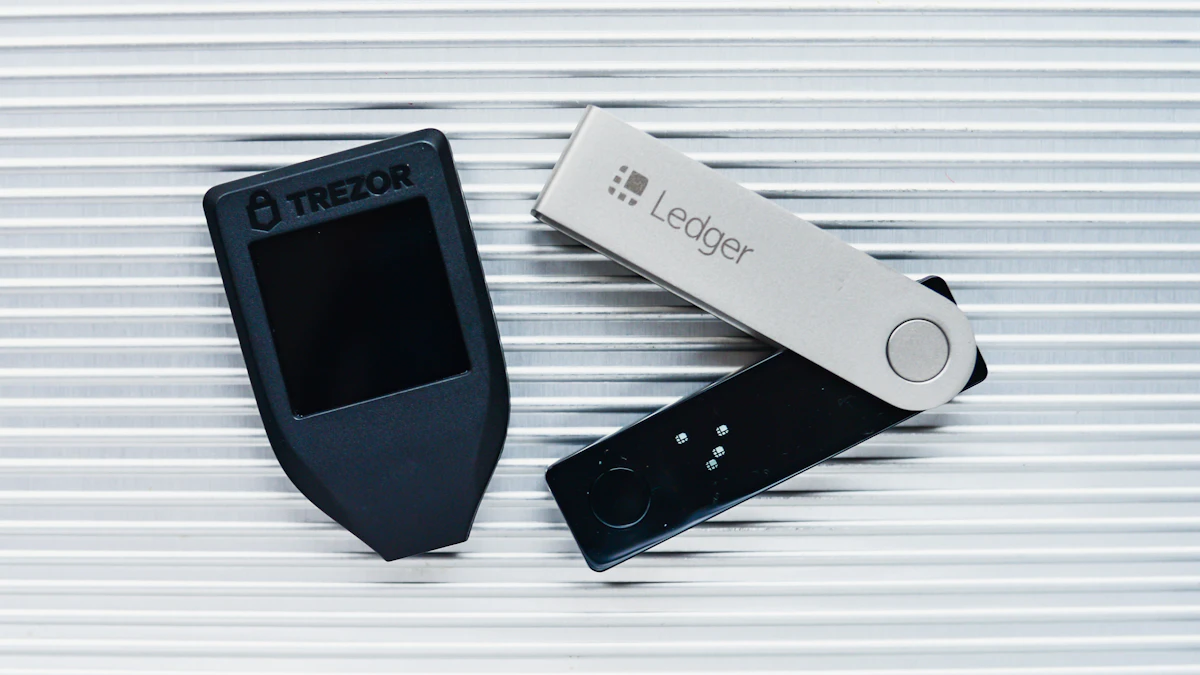
A hardware wallet is a small device that keeps your keys offline and signs transactions inside the device. It costs money and adds a step, but it is the safest choice for larger amounts you plan to hold.
The value of a hardware wallet is that even if your computer is infected, the key never leaves the device. You check the transaction details on the device's own screen and press a physical button to approve. Get into the habit of actually reading that screen. If the address shown there does not match the one you intended, cancel.
Custodial versus self custody
You will often see wallets sorted into two groups. Custodial means someone else holds the keys, which is what an exchange account is. Self custody means you hold them, which covers both hot and hardware wallets.
Neither is automatically better. Custodial accounts protect you from your own mistakes but expose you to the company's. Self custody removes the company from the picture but leaves no safety net. Many people sensibly use both: a little on an exchange for buying and selling, and the rest in a wallet they control.
Which one is right for you
- Trying crypto with a small amount: an exchange account with two factor authentication turned on.
- Using crypto apps regularly: a reputable hot wallet, with only spending money in it.
- Holding a meaningful amount long term: a hardware wallet bought directly from the manufacturer.
Buying directly from the manufacturer matters. A device bought secondhand or from an unknown seller could have been tampered with, and a device that arrives with a recovery phrase already printed in the box is a red flag. A genuine wallet has you create your own phrase during setup.
If most of what you hold is dollar tokens rather than Bitcoin, the same logic applies. Our explainer on stablecoins covers the extra risks that come from the issuer behind the token.
Setting up a wallet safely
- Download the app only from the official website or the official app store listing. Fake wallet apps exist and look convincing.
- Create a new wallet and write the recovery phrase on paper as it appears on screen.
- Confirm the phrase when the app asks, then store the paper somewhere safe and private.
- Turn on any screen lock or PIN the app offers.
- Send a small amount in, then practice sending a small amount out, before moving anything larger.
Rules that apply to every wallet
- Write your recovery phrase on paper and store it somewhere safe. Never type it into a website or photo it.
- No real support agent will ever ask for your recovery phrase.
- Send a small test amount before any large transfer.
Scammers know these rules too, which is why so many schemes are built around getting you to break them. Our guide on how to spot a crypto scam covers the fake support agents and "safe wallet" stories they use. For more guides, see our crypto coverage.
Frequently asked questions
If I delete my wallet app, do I lose my crypto?
No, as long as you still have your recovery phrase. The coins stay on the blockchain. Install a wallet app again, choose to restore an existing wallet and enter the phrase.
Can I use more than one wallet?
Yes. Many people keep a small balance in a hot wallet for daily use and the rest on a hardware wallet. Each wallet has its own recovery phrase, so store each one safely.
Is a hardware wallet worth it for a small amount?
Usually not. If the amount you hold is less than the price of the device, an exchange account with strong security, or a reputable hot wallet, is a reasonable choice.
What happens if my exchange shuts down?
That depends on the company and what happens to its assets. You may get some or all of your money back, or none of it, and the process can take a long time. That risk is the main reason people move larger balances into self custody.
Share this story
Spotted an error? Tell us