Key takeaways
- Stablecoins aim to hold a steady value, usually one dollar.
- Reserve backed coins like USDC and USDT are the most common type.
- They are not FDIC insured and can lose their peg under stress.
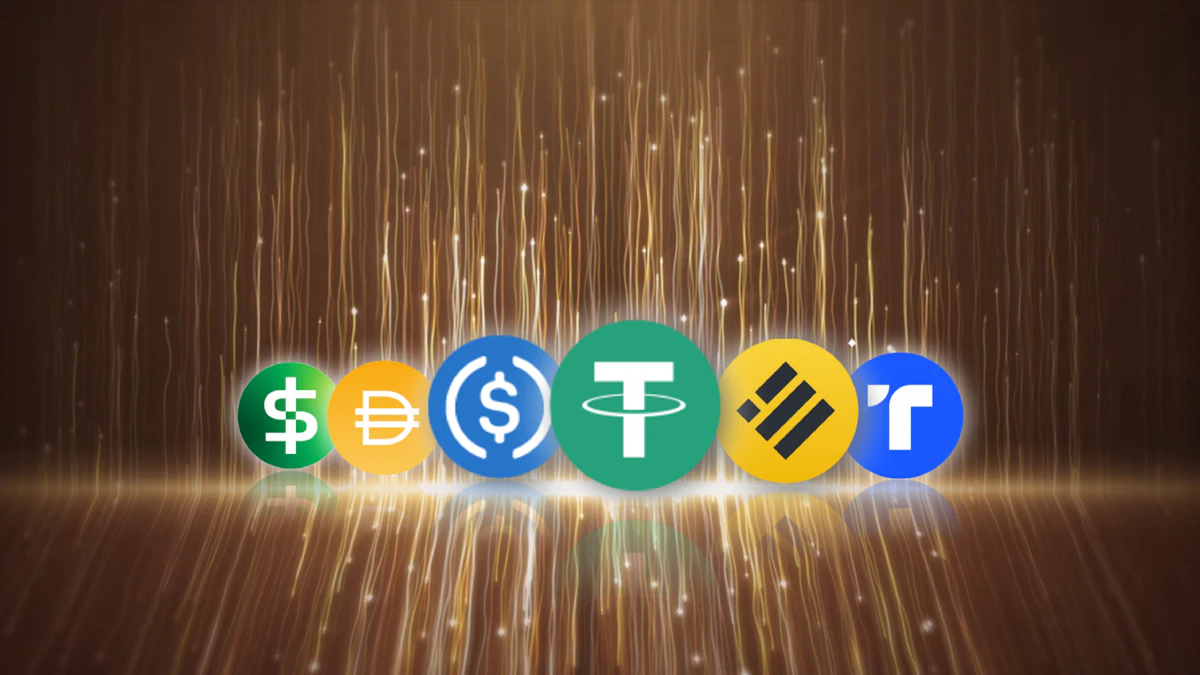
Most cryptocurrencies swing in price every day. Stablecoins are built to do the opposite. A stablecoin is a crypto token designed to keep a steady value, usually one US dollar, so you get the speed of a blockchain payment without watching your balance jump around in the meantime.
That simple promise hides a lot of machinery. How a stablecoin holds its value, who stands behind it and what happens when things go wrong all vary from token to token. This guide explains the main designs, why people use them, where the risks sit and what the new US rules change.
What stablecoins are, and why they exist
Bitcoin and most other cryptocurrencies have no fixed value. Their price is whatever buyers and sellers agree on at a given moment, which makes them awkward for everyday payments. Nobody wants to send a contractor a payment that might be worth less by the time it arrives.
Stablecoins fix that by tying a token to something steadier, almost always the dollar. One token is meant to be worth one dollar today, tomorrow and next year. That makes them the closest thing crypto has to cash. If you want background on the more volatile side of crypto, our plain English guide to Bitcoin covers how that network works.
How stablecoins hold their value
There are a few main designs:
- Reserve backed. The issuer holds cash and short term government bonds equal to the tokens in circulation and promises to swap each token for a dollar. USDC and USDT work this way.
- Crypto backed. Users lock up more crypto than the stablecoins they create, so the system has a cushion if prices fall.
- Algorithmic. Software tries to hold the price by adjusting supply. Several of these have failed badly, including TerraUSD in 2022.
Reserve backed coins
This is the design most people use. The logic is close to a gift card backed by real money in a vault. For every token in circulation, the issuer says it holds a dollar's worth of assets. Because large holders can redeem tokens with the issuer, traders have a reason to step in whenever the market price drifts. If a token trades at 99 cents, someone can buy it cheaply and redeem it for a full dollar, which pushes the price back up.
That only works if the reserves are really there and really liquid. Cash and short term government debt can be sold quickly. Riskier assets cannot.
Crypto backed coins
Here, there is no company holding dollars. Instead, a user deposits crypto into a smart contract, which is a program on the blockchain, and borrows stablecoins against it. The deposit is worth more than the stablecoins created. If the deposited crypto falls in value, the system can sell it to make sure each stablecoin stays covered. The design is transparent, since anyone can inspect the contract, but it depends on that code working correctly under stress.
Algorithmic coins
Algorithmic designs try to hold the peg with incentives and supply adjustments rather than a full pile of assets. When confidence holds, they can work for a while. When it breaks, there is nothing solid underneath, which is what happened with TerraUSD in 2022. Treat any token in this category with real caution.
Why people use them
- Moving dollars across borders quickly, at any hour.
- Parking money between crypto trades without converting back to a bank account.
- Paying for goods and services online in places where the local currency is unstable.
The first use is the one that gets regulators and banks interested. A stablecoin transfer settles on the blockchain in minutes, on a weekend or holiday, with no wire cutoff time. For a freelancer paid by an overseas client or a family sending money home, that can be a real improvement, as long as both sides have a reliable way to turn tokens into local cash.
The risks
- Reserves. A stablecoin is only as good as what backs it. Check whether the issuer publishes regular reserve reports.
- Not a bank deposit. Stablecoins are not covered by FDIC insurance.
- Losing the peg. In periods of stress, a stablecoin can trade below a dollar.
- Platform failures. The app or exchange holding your stablecoins can freeze withdrawals.
There is also a quieter risk: where you keep the tokens. If they sit on an exchange, you face the exchange's risks on top of the issuer's. If they sit in your own wallet, you are responsible for the keys. Our guide on how crypto wallets work explains that tradeoff.
Scammers like stablecoins for the same reasons everyone else does: they move fast and the value is predictable. A stranger who asks you to "convert your savings to USDT for safety" is running a scheme. Our guide on how to spot a crypto scam covers the warning signs.
New US rules
The GENIUS Act, passed in 2025, created a federal framework for payment stablecoins, with rules on reserves, disclosures and licensing. Regulators are still writing the detailed rules, so check the latest updates before relying on them. Our news report on regulators racing to finish the GENIUS Act rules tracks the timeline and what the agencies have proposed.
The framework should make it easier to see who stands behind a token and who supervises them. It does not turn a stablecoin into an insured bank account.
How to choose and use a stablecoin
- Pick a large, established token. Bigger issuers tend to have deeper markets, which makes it easier to swap in and out near a dollar.
- Read the reserve report. Look at what the reserves hold and how often the report is published. Cash and short term government debt are what you want to see.
- Check where you can redeem. Know how you would turn the tokens back into dollars in your bank account, and what that costs.
- Spread your exposure. Keep only what you need on any single platform.
- Confirm the network before sending. The same stablecoin can exist on several blockchains. Sending on the wrong one can strand your funds, so check that the receiving wallet supports the network you pick, and send a small test first.
The bottom line
Stablecoins are useful plumbing for moving money online, but they are not savings accounts. Choose large, transparent issuers and keep only what you need on any single platform. For more on how digital dollars are evolving, follow our crypto coverage.
Frequently asked questions
Is a stablecoin always worth exactly one dollar?
No. It is designed to stay close to a dollar, but it can trade slightly above or below, and during periods of stress it can fall further. The quality of the reserves determines how quickly it recovers.
Do stablecoins pay interest?
The token itself usually does not. Some platforms offer a yield on stablecoin deposits, but that return comes from the platform lending or investing your money, which adds risk.
Are stablecoins insured by the FDIC?
No. Stablecoins are not bank deposits and are not covered by FDIC insurance, even when the issuer holds some of its reserves at a bank.
What is the difference between USDC and USDT?
Both are reserve backed dollar stablecoins issued by different companies. They publish their own reserve reports, so compare those reports and how each issuer handles redemptions before deciding which to hold.
Share this story
Spotted an error? Tell us