Key takeaways
- Each Roku share converts into $95.30 in cash plus 0.9799 of a Fox Class A share, and Roku stock stopped trading on Nasdaq on November 6.
- The deal closed about six months ahead of the first half of 2027 target Fox set in June, after a Justice Department second request in September.
- Roku now sits in a new FOX Digital Platforms division with Tubi and Fox One, co chaired by Anthony Wood and chief executive Paul Cheesbrough.
In this story 4 sections
Fox now owns Roku. Fox Corporation said on Friday, November 6, that its Fox Roku acquisition is complete, closing a cash and stock deal valued at about $22 billion months ahead of the schedule the two companies set in June. Roku shares stopped trading on Nasdaq the same day, and the streaming platform now sits inside a new Fox division alongside Tubi and Fox One.
The early close matters for anyone who owns Roku stock, anyone who watches TV through a Roku stick or Roku TV, and anyone keeping score on how traditional media companies plan to survive the move to streaming.
Roku holders get $95.30 a share in cash plus Fox stock
According to the Fox Corporation announcement, each Roku Class A and Class B share converts into $95.30 in cash and 0.9799 of a share of Fox Class A common stock. That mix means the final value each former Roku holder receives moves with the price of Fox stock rather than being locked at a single dollar figure.
After closing, existing Fox shareholders own roughly 74% of the combined company and former Roku shareholders own about 26%, according to the release. The ROKU ticker is gone from Nasdaq as of the closing date. Fox continues to trade under FOXA and FOX.
Fox told investors in June that it had lined up a $12 billion loan to help pay for the purchase, TechCrunch reported at the time. The company now says it expects about $400 million in yearly cost savings within two years of closing, along with possible revenue gains, and it expects the deal to add to free cash flow per share by the second full year after the close.
A June announcement, a DOJ second request, and a fast finish
The two companies confirmed the deal on June 15 and said it had been approved by both boards. At that point they expected to close in the first half of 2027.
Washington slowed things down first. In September, the Justice Department issued a second request for more information on the merger, a step that often stretches an antitrust review by months. Then, in early November, reports surfaced that the deal was close to clearing federal review, TechCrunch noted in its coverage of the closing. Fox's completion release does not spell out any conditions attached to that clearance, so the details of how regulators signed off remain unclear from the company's own statement.
Either way, Fox wrapped up the purchase roughly half a year earlier than its own target. For a deal of this size in a crowded media market, that is unusually quick.
Anthony Wood moves to the Fox board
Roku founder Anthony Wood, who ran the company as chief executive when the deal was announced, joins the Fox board of directors. He also becomes co chair of a newly formed division called FOX Digital Platforms. Paul Cheesbrough takes the other co chair seat and serves as that division's chief executive.
FOX Digital Platforms pulls together Roku, the free streaming service Tubi, the Fox One subscription service, Red Seat Ventures and other Fox digital businesses. Fox bought Tubi in 2020 for $440 million and launched Fox One in 2025.
"Our teams will keep building and innovating as they always have, now with the support and capabilities of Fox behind us," Wood said, as quoted by TechCrunch.
Fox describes the combined company as the third largest television business in the United States by viewership. Roku reaches more than 100 million households worldwide, according to the release.
Your Roku device keeps working the same way, for now
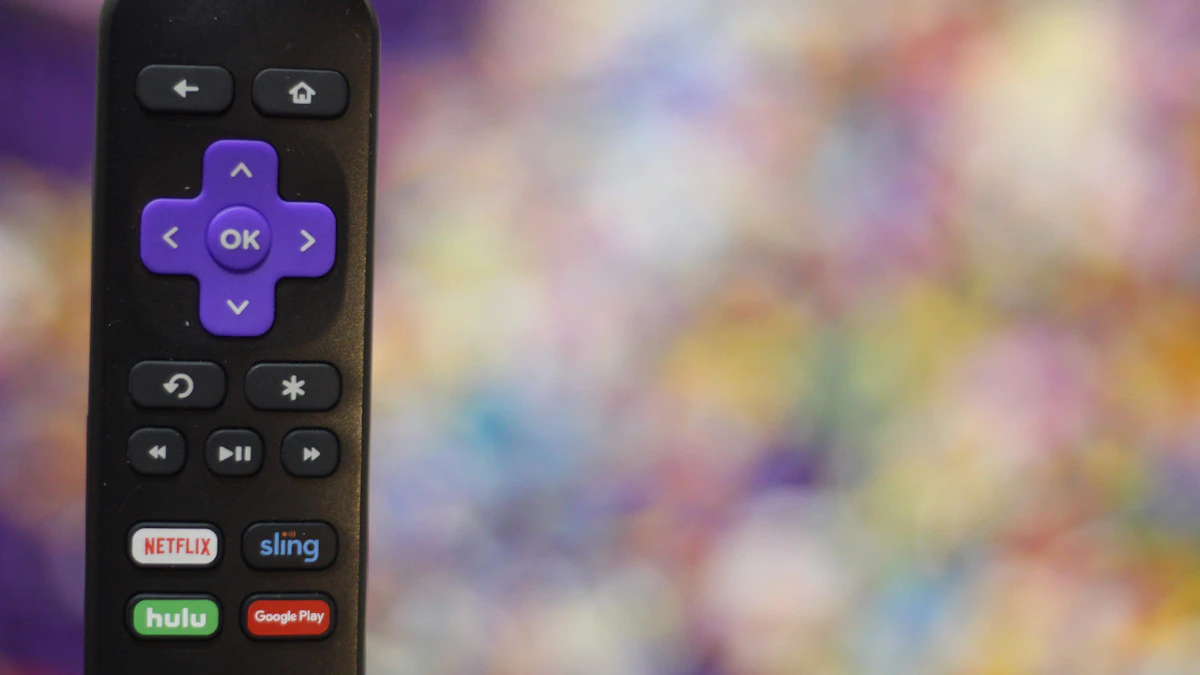
Nothing in Fox's announcement points to an immediate change for people who already own Roku players or Roku TVs. The release says Roku will keep its role as an open platform for the wider streaming industry, which suggests rival apps from Netflix, Disney, Amazon and others are meant to stay on the home screen.
What Fox wants out of Roku is clearer on the business side. The company has said it is after sharper ad targeting, a stronger position in connected TV and less dependence on cable and satellite carriage fees. Roku's home screen, its ad sales and its viewing data are exactly the tools that help with that.
Viewers who mostly watch free content may notice the deal first. Tubi and Roku's own free channels compete for the same audience, and putting both under one roof gives Fox room to promote its programming across a very large base of TVs. Whether that shows up as more Fox and Tubi placement on Roku screens is something to watch over the next few product updates.
If you are weighing your streaming costs this season, we recently looked at how the Prime Uber Eats perk replaced Grubhub+ for Amazon members, and how the Xbox phone controller preview turns smart TVs into cloud gaming screens. Owners of cheap streaming boxes should also read about the Android TV box botnet Google cut off, a reminder that the brand behind your TV software matters.
Fox's next earnings report will be the first real look at how Roku's numbers fit into the larger company. More coverage of deals like this one lives in our tech section.
Share this story
Spotted an error? Tell us