Key takeaways
- Apple's US lineup now runs from $699 for the iPhone 17e to $1,999 for the iPhone Duo, while the Galaxy S26 starts at $999.99 after Samsung's October 1, 2026 price increase.
- Samsung promises seven major OS updates and seven years of security patches for the Galaxy S26, while Apple guarantees at least five years of security updates for iPhones since the iPhone 15.
- The real cost of switching is usually the accessories and services around the phone, such as an Apple Watch, which only works with an iPhone.
In this story 5 sections
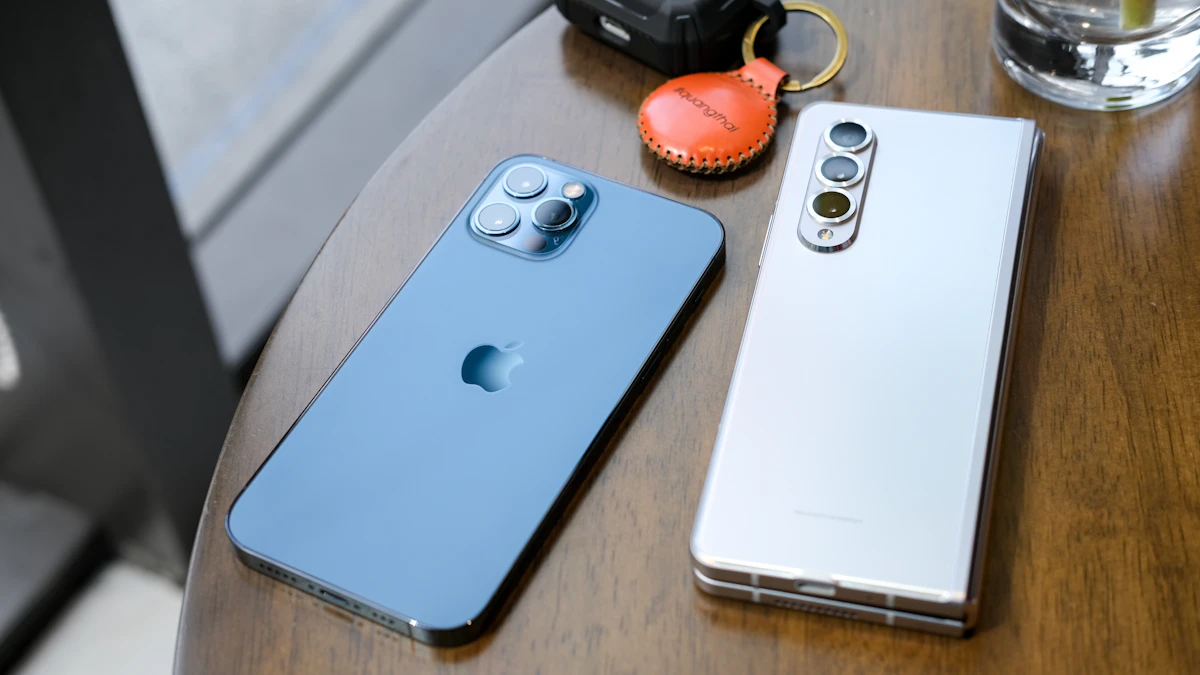
If you already own a Mac, an iPad or an Apple Watch, the iPhone is the easier pick, and the gap between the two has never been smaller. If you want more choice in price, screen size and how your phone looks and behaves, Samsung gives you more room to move. That is the short answer to the iPhone vs Samsung question. The longer answer depends on what you value, what you already own and how long you plan to keep the phone.
This guide compares the two on the things that decide most purchases: price, software support, the ecosystem around the phone, customization and switching costs. Prices below are US starting prices as of October 2026.
The key differences at a glance
- Starting prices: Apple's current lineup runs from $699 (iPhone 17e) to $1,999 (iPhone Duo). Samsung's flagship Galaxy S26 starts at $999.99, the S26+ at $1,199.99 and the S26 Ultra at $1,399.99 after a price increase on October 1, 2026.
- Software support: Samsung says the Galaxy S26 gets seven major OS updates and seven years of security updates. Apple has formally committed to at least five years of security updates for iPhones released since the iPhone 15, and historically supports models longer than that.
- Ecosystem: iPhone ties in tightly with Mac, iPad, AirPods and Apple Watch. Apple Watch only works with an iPhone. Galaxy phones work best with Galaxy watches, earbuds, tablets and Windows PCs.
- Customization: Samsung's One UI lets you change far more, from launchers to default apps and how the phone looks. iOS has opened up, but it is still more fixed.
- Messaging: Since iOS 18, iPhones support RCS, so texts between iPhone and Android users can show typing indicators and send higher quality photos. iMessage features such as FaceTime and Apple's message effects still only work between Apple devices.
Why some people should pick the iPhone
Where the iPhone is strong
The biggest reason to choose an iPhone is what surrounds it. AirDrop, iCloud backups, Handoff between iPhone and Mac, AirPods that switch between your devices automatically, and Apple Watch all work with very little setup. If two or more of those already live in your house, an iPhone usually saves time every day.
Apple also keeps its lineup simple. There are a handful of models each year, they share the same software, and updates arrive for every supported iPhone on the same day. That consistency matters if you are buying for a parent or a teenager and do not want to troubleshoot settings that differ between brands.
Resale value is another quiet advantage. Older iPhones tend to stay in demand on trade in and resale markets, which softens the cost of upgrading later. If you are curious how repairs factor in, Apple now sells genuine parts for recent models, as we covered in our look at iPhone 18 Pro repair part prices.
Where the iPhone falls short
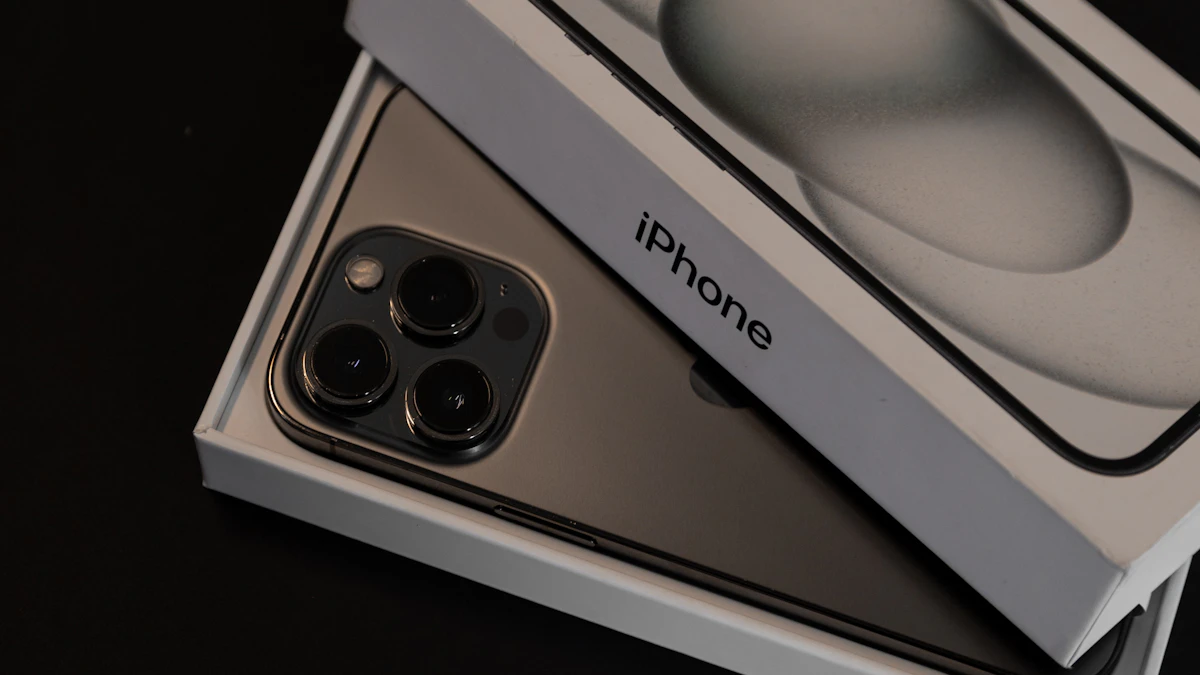
Choice is limited. Apple sells one design language, a few screen sizes and a narrow range of prices. The cheapest current model, the iPhone 17e, starts at $699, and Apple raised prices across its lineup in September 2026, with most models going up $100, according to 9to5Mac.
You also give up some control. Default apps, file handling and home screen layouts are more flexible than they used to be, but iOS still decides more for you than Samsung's software does. And if you ever leave, some purchases and services (iMessage history, Apple Watch, some apps) do not follow you to Android.
Why some people should pick a Samsung Galaxy
Where Samsung is strong
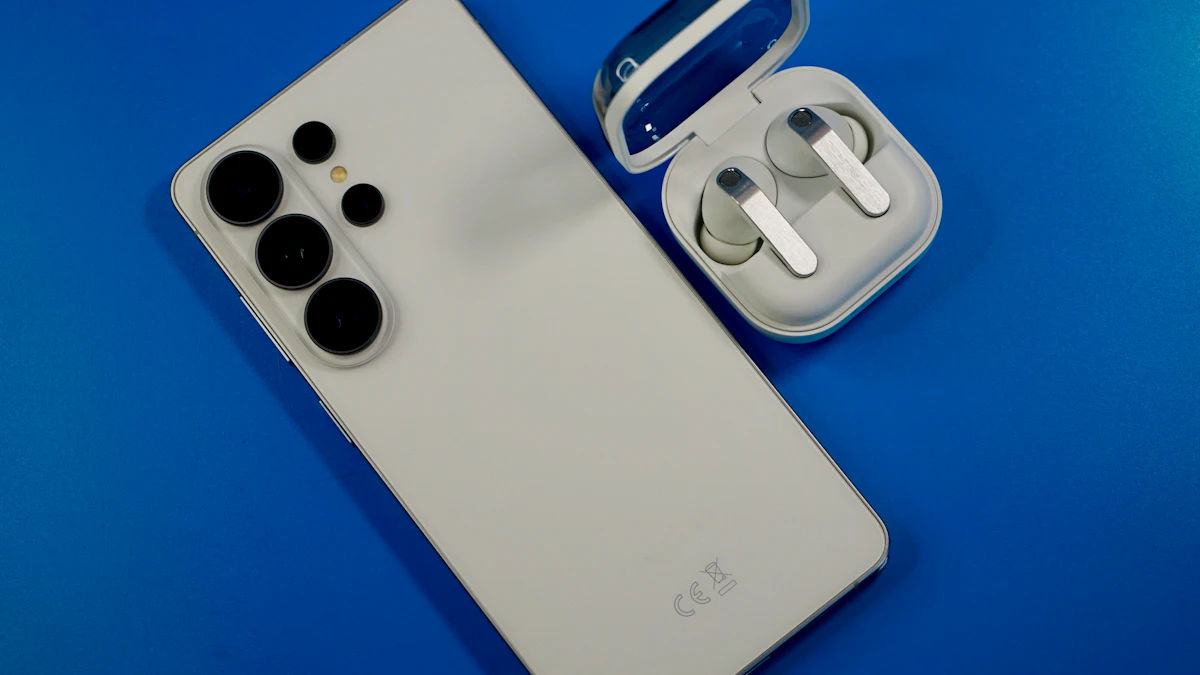
Range is Samsung's best argument. Beyond the Galaxy S26 family, Samsung sells foldables, FE models and the lower priced Galaxy A series, so there is a Samsung phone at most budgets. The S26 Ultra adds a built in S Pen and a zoom camera system aimed at people who shoot a lot of photos.
Samsung's update promise is now one of the longest in the industry. For the Galaxy S26, Samsung says buyers get seven major Android upgrades and seven years of security patches, which means a phone bought in 2026 should stay supported into the early 2030s. Google made the same point when Apple published its own five year minimum, arguing that flagship Android phones now match or beat iPhones on guaranteed support, as SecurityWeek reported.
Customization is the other draw. You can change the launcher, set different default apps, use split screen and pop up windows, and connect the phone to a monitor with Samsung DeX for a desktop style layout. Galaxy phones also pair easily with Windows PCs.
Where Samsung falls short
More choice means more decisions, and model names change often. Samsung phones also carry more preinstalled apps, and some duplicate Google's own apps, which can feel cluttered until you turn them off.
Prices have also climbed. The base Galaxy S26 now starts at $999.99 in the US after the October 1 increase, which puts it above Apple's $899 iPhone 17. Samsung runs frequent sales and trade in offers, so the price you pay is often lower than the sticker, but the starting point is not cheap.
What switching between them really costs
Moving in either direction is easier than it used to be. Samsung's Smart Switch app copies contacts, photos, messages, notes and calendars from an iPhone, and Samsung recommends a cable transfer because it moves the most kinds of data. Apple offers its own Move to iOS app for the other direction.
What does not move cleanly is the stuff around the phone. Apple Watch will not pair with a Galaxy phone. Paid apps usually need to be bought again on the other store. Group chats in iMessage turn into RCS or SMS conversations. Before you switch, count the accessories and subscriptions you would need to replace, because that number often decides the question more than the phone itself.
Which should you pick?
Pick an iPhone if
- You already use a Mac, an iPad, AirPods or an Apple Watch.
- You want the simplest setup for a family member who does not like changing settings.
- Resale value and a small, consistent lineup matter to you.
Pick a Samsung Galaxy if
- You want more price options, foldables or a stylus.
- You like changing how your phone looks and works, or use a Windows PC.
- Guaranteed years of updates are your top priority.
If you are still unsure
Think about the next five years rather than the next five weeks. List the devices and services you use every day and see which side they belong to. If the list is mostly empty, go to a store and hold both, because size, weight and how the screen feels in your hand will matter more than any spec sheet. Our guide on how to choose a smartphone walks through the specs that matter, and if budget is tight, refurbished Galaxy phones on Amazon are another route worth checking. For more comparisons and buying advice, browse our gadgets section.
Sources used for this guide include 9to5Mac on iPhone pricing, Notebookcheck on the Galaxy S26 update promise, SecurityWeek on Apple's update commitment and Samsung's Smart Switch support page.
Share this story
Spotted an error? Tell us