Key takeaways
- Muse Realtime Voice lets US users talk to Meta's AI agent on phones, the web and Mac, interrupt it mid sentence and choose from hundreds of voices.
- Animated avatars come from Meta Superintelligence Labs' Muse Realtime Avatar model and can appear beside the chat or fill the whole screen.
- Meta says specialized models trained with Muse Wonder raised Muse's Personal Superintelligence Index score from 38% to 47% and its memory score from 76% to 90%.
In this story 4 sections
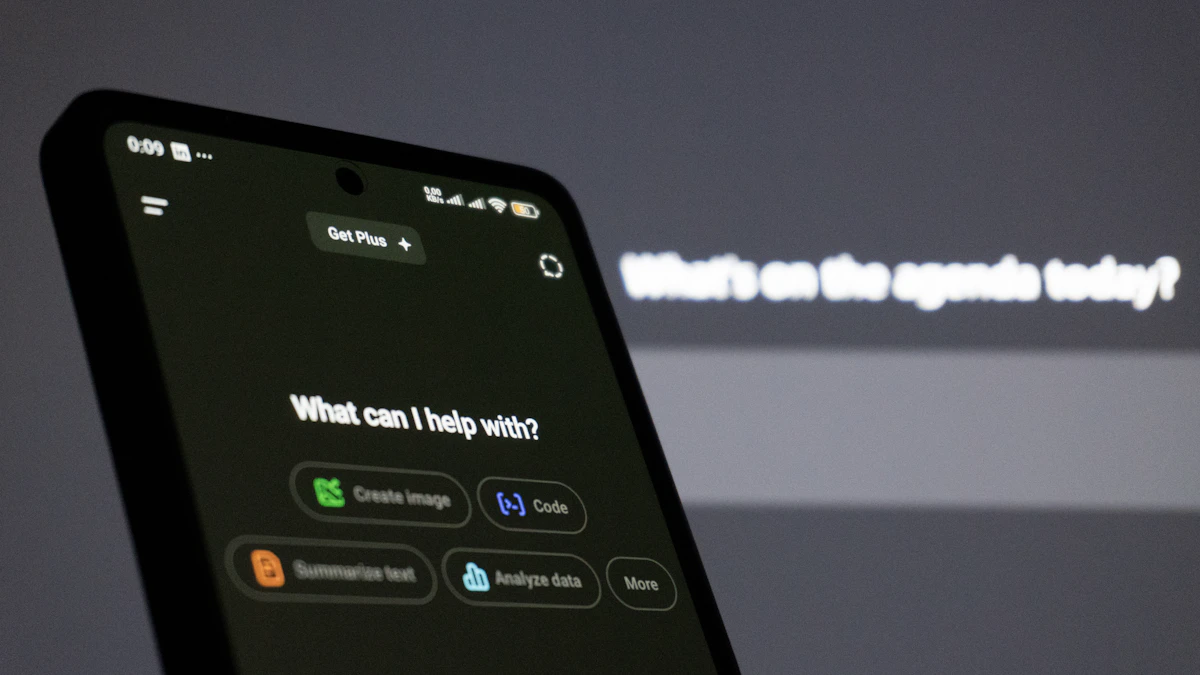
You can now talk out loud to Meta's AI agent and watch it talk back. Meta Muse voice conversations and animated avatars started rolling out in the Muse app in the United States this week, on phones, the web and Mac, according to Meta's own announcement. A day later, Meta's research team said the models behind Muse had also been retrained, with a jump on the company's own benchmark from 38% to 47%.
The two updates landed back to back, and together they show where Meta wants Muse to go: less of a chat window you type into, more of an assistant you hold a conversation with.
A phone icon in the corner starts the call
Starting a voice session is simple. In the Muse app, you tap the phone icon in the top right corner and begin speaking. Meta describes the feature as Muse Realtime Voice, and the main selling point is that it behaves more like a phone call than a voice memo. You can cut in while Muse is speaking, and it responds right away instead of finishing its sentence first.
According to Meta's newsroom post, there are hundreds of voices to pick from, and you can switch between them at any time. The Next Web reported that Muse can keep working on tasks in the background while a call is going, so you could ask it to look something up and keep talking while it does.
There are three ways to see the conversation on screen:
- Voice only, with no visual character
- An avatar shown alongside the chat
- A full screen avatar that fills the display
Meta suggests uses like brainstorming, planning a trip, or rehearsing for a job interview or a presentation. The rollout is limited to the US for now, and Meta has not said when other countries will get it.
Avatars built by Meta Superintelligence Labs
The animated faces run on a model called Muse Realtime Avatar, built by Meta Superintelligence Labs and first shown at Meta's Connect event in September. The avatar's expressions and gestures are meant to follow the tone of what it is saying, and The Next Web noted that it reacts while you are still talking rather than freezing until it is its turn.
Meta has also pitched the avatars against specialist video companies. Per The Next Web, Meta said its own raters preferred its avatars over those from Runway and HeyGen. That is an internal comparison, not an independent test, and Meta itself cautioned that not every demo it has shown reflects what is available in the app today.
Voice chats are next headed to Meta's AI glasses and to Muse Charm, the small clip on device the company showed at Connect. No date was given for either.
Retrained models score 47% on Meta's own index
The second announcement came from Meta's research group on November 6. In a blog post on specialized models for Muse and Meta AI, the team said it had trained specialized versions of its existing models using Muse Wonder, the frontier model Meta introduced a few weeks ago. Those versions are now rolling out to both Muse and Meta AI users.
Meta shared three sets of numbers, all from its own evaluations:
- On its Personal Superintelligence Index, the current Muse model scores 47%, up from 38% for the previous one.
- On a memory test that checks whether the assistant completes tasks using critical context, the score rose from 76% to 90%. Meta describes that as a 2.4x reduction in forgetting important information.
- On everyday tasks where something unexpected goes wrong, Meta reported a 67% improvement in completion within Muse.
These are company reported figures on benchmarks Meta designed, so they show the direction of travel more than how Muse stacks up against rivals. Meta did not name the specialized models or publish outside comparisons.
How this fits Meta's push into AI agents
Muse launched in September and runs on the Muse Spark family of models that Meta introduced in April. It can already shop with retailers, send emails and control apps on a Mac, a capability we covered when Muse Spark arrived on Apple hardware. Adding a voice and a face is the obvious next step for an assistant that Meta clearly wants people to treat as a constant companion.
It also raises the stakes on privacy. Spoken conversations tend to be more casual and more personal than typed ones, and Muse has already had trouble here: last month, shared Muse chats were found exposed. Meta's announcement did not detail how voice recordings from these calls are stored or used, which is worth checking in the app's settings before you start a long session.
Other assistants are moving the same way. Anthropic, for example, has been building Claude into more personal tasks, such as its personal finance beta. Talking to these tools rather than typing is quickly becoming the default.
If you are in the US and already use Muse, update the app and look for the phone icon. Try it with a low stakes task first, like planning a weekend, and see whether the interruptions feel natural before you trust it with anything that matters. More coverage of assistants like this is on our AI page.
Share this story
Spotted an error? Tell us