Key takeaways
- Tesla now calls its driver assistance software Tesla Assisted Driving in Europe after Germany said the Full Self-Driving name was misleading.
- Germany says it will back EU wide approval, but speed limit concerns from Sweden and France have pushed a vote to December at the earliest.
- The rename does not apply in the US, where the software is still sold as Full Self-Driving (Supervised) and drivers must stay alert.
Tesla has renamed its driver assistance software in Europe. What owners there knew as "Full Self-Driving (Supervised)" will now be called Tesla Assisted Driving, a change that came after Germany's transport ministry said the old name was misleading. The move is small on paper and big in meaning. For years Tesla kept the "Full Self-Driving" label despite critics, regulators and lawsuits arguing that it promised more than the car delivers. Now, in exchange for German support toward a Europe wide approval, the company has blinked.
Here is what changed, why it happened, and what it could mean for American drivers who still see the original name on their screens.
What happened
According to TechCrunch, Tesla rebranded the software in Europe on Oct. 9, 2026. The new name follows talks between Tesla and Germany's Federal Ministry for Digital and Transport.
Transport minister Steffen Bilger said earlier this month that "Full Self-Driving" was somewhat misleading because the system does not perform the entire driving task. TNW, citing the German news agency dpa, reports that Bilger spoke at a Tagesspiegel Background conference in Berlin on Oct. 6 and said Germany would push for fast approval of Tesla's system across the European Union. If an EU level decision fails, he said, Germany would consider acting on its own.
Bilger's ministry said he met with Tesla in September to work through technical details and liability. According to a ministry release cited by TechCrunch, it was Tesla that proposed the name change during those talks.
Elon Musk thanked Bilger on X, writing in German, according to TNW.
Why the Tesla Assisted Driving name matters
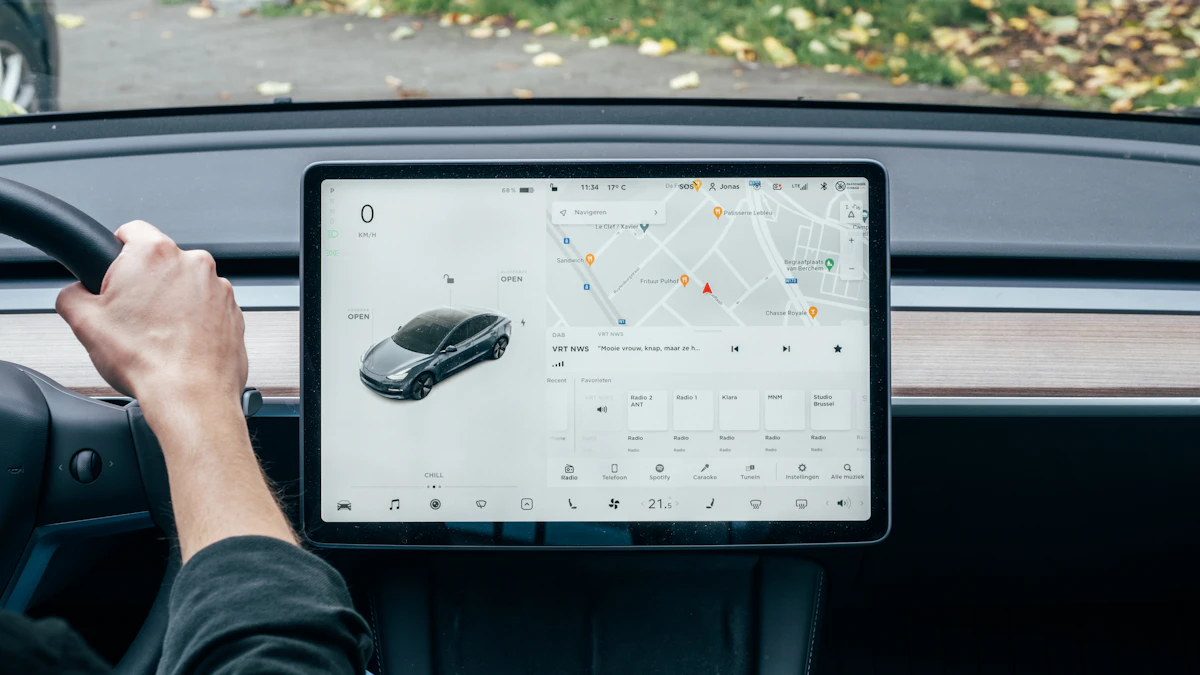
The software itself has not changed. It can steer, brake and accelerate. It can park and handle both surface streets and highways. But the driver still has to watch the road at all times and be ready to take over.
That gap between the name and the reality has been the core complaint for years. Critics argued that "Full Self-Driving" encouraged people to trust the car more than they should. The new label, Tesla Assisted Driving, describes what the system actually does: it assists a human who stays responsible.
TechCrunch called the rename a significant concession. Tesla had used the original name for years even though the system needs human attention, so the switch signals how much the company wants access to European customers.
The speed limit question
The name was not the only sticking point. TNW reports that Tesla and the German ministry agreed the system may drive up to 10% above the posted speed limit, a position Germany plans to argue in Brussels, according to Reuters.
Speeding is one of the main obstacles to an EU wide approval. Per Reuters reporting cited by TNW, Sweden and France have raised concerns. A member state vote that was originally expected in October has slipped to December at the earliest.
The road to European approval
Tesla's system is currently cleared only country by country in Europe. The Netherlands became the first European country to approve FSD (Supervised) in April, according to TNW. Germany has not yet recognized that Dutch approval.
Musk has been pushing hard. In June 2025 he argued on X that the software would save lives in Europe and urged users to lobby their governments. In March 2026 he said the EU's regulatory burden "stifles innovation in Europe," TechCrunch reports.
Questions about Tesla's safety research
The rename lands in the same week as a critical investigation. Reuters published a special report on Oct. 7 examining Tesla's lobbying campaign in Europe. According to TechCrunch's summary of that report, the campaign was built on "faulty company safety research" and "flawed studies," and the Dutch regulator, RDW, faced heavy pressure from Tesla and its online supporters. Experts Reuters consulted said Tesla's own study does not provide evidence for its claim that the system saves lives, TNW adds.
That matters because safety claims are the main argument Tesla makes to regulators. If those claims are weak, other countries may be slower to follow Germany's lead.
Why Tesla needs this
Europe is a sore spot for the company. TNW notes that Tesla says approval is key to restoring its European sales, and that China's BYD outsold Tesla in Europe in the first months of 2026.
Self driving software is also central to Tesla's long term pitch to investors, alongside its robotaxi plans. Rivals are moving too. Alphabet's Waymo recently closed a $5 billion loan for its driverless business, and Musk's other companies are spending heavily on AI hardware, as seen in SpaceX's plan to borrow $40 billion for Nvidia chips.
Who is affected
- European Tesla owners: The software will carry the new Tesla Assisted Driving name. Where it is approved, it works the same way, and drivers stay fully responsible.
- American Tesla owners: Nothing changes yet. The rename applies to Europe. In the US, the product is still sold as Full Self-Driving (Supervised).
- Regulators elsewhere: Germany has now shown that a government can trade support for a clearer name. Other countries could ask for the same.
What it means for US drivers
The American story around this software has been rocky. TechCrunch notes that FSD has faced federal investigations and civil lawsuits over crashes in which it was allegedly in use. Autopilot, its less capable predecessor, has been linked to dozens of deaths, and Tesla discontinued Autopilot earlier in 2026 after a judge ruled the company had engaged in deceptive marketing about its capabilities.
Tesla also recently enabled the software to step in if it detects an oncoming collision, even when it is not switched on, TechCrunch reports.
If you drive a Tesla in the US, the practical advice does not depend on the name. Keep your eyes on the road and your hands ready. Treat the system as a capable helper, not a chauffeur. That is true of any driver assistance product, and it is a theme in our explainer on what AI agents can and cannot do when humans hand over control.
What to watch next
- The EU vote: A member state decision is now expected no earlier than December. Watch whether France and Sweden soften their concerns on speed.
- Germany going alone: If Brussels stalls, Bilger has said Germany could act by itself.
- Pressure on the US name: A rename in Europe gives critics and regulators in the US a ready example. Whether Tesla changes the American label is an open question.
- Follow up on the Reuters report: Any regulator response to the questions about Tesla's safety research could shape how quickly approvals spread.
For more big tech coverage, visit our tech news page.
Frequently asked questions
What is Tesla Assisted Driving?
It is the new European name for the software Tesla sells as Full Self-Driving (Supervised). The features are the same. The driver must supervise at all times.
Why did Tesla change the name?
Germany's transport ministry said "Full Self-Driving" was misleading because the system does not do all of the driving. Tesla proposed the new name during talks with the ministry.
Is Tesla renaming Full Self-Driving in the US?
Not so far. The change applies to Europe. In the US, the product still uses the Full Self-Driving (Supervised) name.
When could Tesla get EU wide approval?
A vote among EU member states has been pushed to December at the earliest, according to TNW, citing Reuters.
Sources
Share this story
Spotted an error? Tell us