Key takeaways
- One satoshi equals 0.00000001 BTC, so 100,000,000 satoshis make up a single bitcoin.
- The Bitcoin network records every amount and output in whole satoshis, and transaction fees are based on a transaction's size rather than the amount sent.
- Below the satoshi, only the Lightning Network uses smaller millisatoshis, which exist inside payment channels and not on the main blockchain.
In this story 5 sections
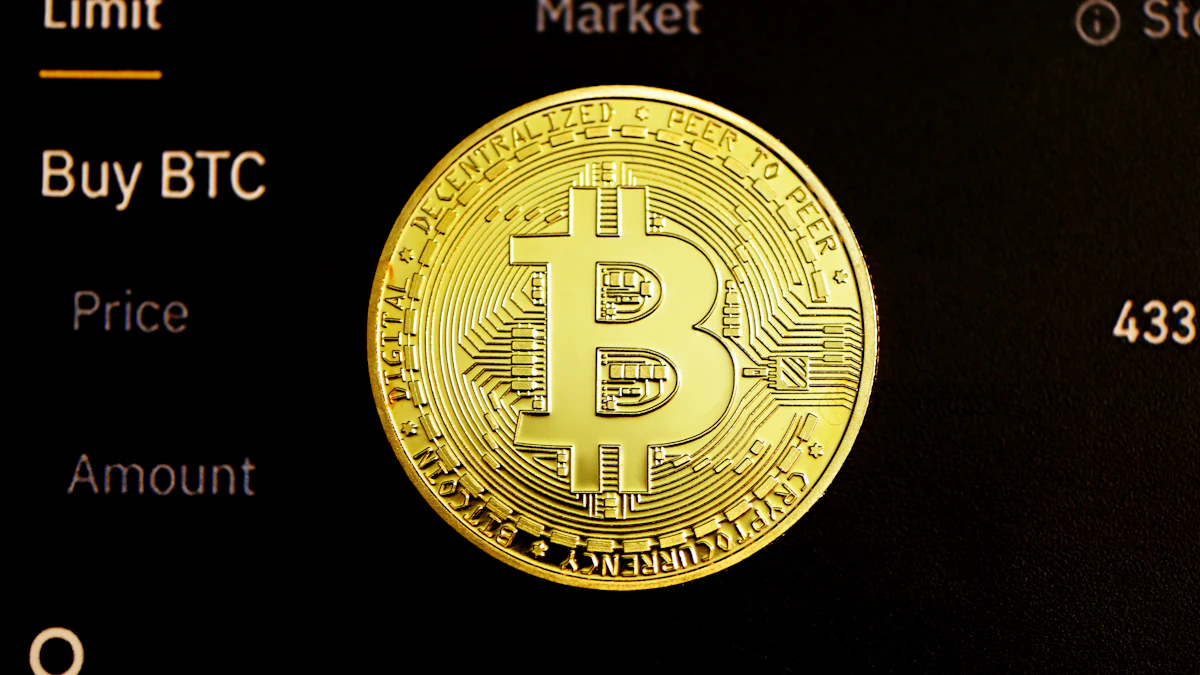
A satoshi is the smallest unit of bitcoin recorded on the blockchain, and 100,000,000 of them make up one bitcoin. If you have ever wondered what is a satoshi and why your wallet app shows a long string of zeros after the decimal point, this is the answer: a satoshi (often shortened to sat) equals 0.00000001 BTC.
That tiny number does a lot of work. It is the reason you can buy $20 of bitcoin without owning a whole coin, and it is the unit the Bitcoin network itself uses to count every payment.
How satoshis work, in everyday terms
Think of a dollar and its pennies. A dollar splits into 100 cents, and nobody finds it strange to pay 37 cents for something. Bitcoin works the same way, just with far more pieces. Instead of 100 parts, one bitcoin splits into 100 million parts.
The Bitcoin.org vocabulary page describes it plainly: one bitcoin is equal to 100,000,000 satoshis, "allowing very small payments to be expressed precisely." Here is how the units line up:
- 1 sat = 0.00000001 BTC
- 100 sats = 0.000001 BTC (the amount sometimes called a "bit")
- 100,000 sats = 0.001 BTC
- 1,000,000 sats = 0.01 BTC
- 100,000,000 sats = 1 BTC
A quick worked example helps. Say bitcoin is trading at $100,000 (a round number for easy math, not a price forecast). Divide that by 100 million and one sat is worth $0.001, a tenth of a cent. So $20 buys you 20,000 sats, or 0.0002 BTC. When the bitcoin price changes, the dollar value of a sat moves with it in exactly the same proportion.
Where the name came from
The unit is named after Satoshi Nakamoto, the pseudonymous person or group who created Bitcoin. According to the Bitcoin Wiki entry on the unit), Nakamoto had settled on 100 million base units per bitcoin no later than November 2008, before the network even launched.
The name came later, from the community. On November 15, 2010, a forum member called ribuck proposed calling one hundredth of a bitcoin a "Satoshi." A few months after that, the same person suggested using the name for the one hundred millionth unit instead. That version stuck and spread from there. Nakamoto never named the unit after themselves.
Where you will actually run into sats
Most people meet satoshis without realizing it. Here are the common places.
Inside the Bitcoin network itself
Under the hood, Bitcoin does not track decimals of a coin at all. It counts whole satoshis. The Bitcoin developer documentation on transactions says that "transactions let users spend satoshis," and each output in a transaction carries "an amount in satoshis." When your wallet shows 0.0005 BTC, the network is really recording 50,000 sats.
Transaction fees
Fees are where sats show up most visibly. The same developer guide explains that transactions pay fees based on their size in bytes, not the dollar amount being sent. That is why wallets often display a fee rate measured in sats per byte (you may see it written as sat/vB). A small payment and a large one can cost the same fee if they take up the same space. If you are about to move coins, our guide on how to send bitcoin walks through picking a fee.
Buying small amounts
Exchanges and apps let you buy bitcoin in dollar amounts, and what lands in your account is a number of sats. Some apps let you switch the display from BTC to sats, which many people find easier to read than eight decimal places. Our walkthrough on how to buy bitcoin covers the main ways to get started.
Payments that are too small to send
There is a floor. The developer documentation notes that by default, Bitcoin Core nodes will not relay a transaction with an output smaller than what it would cost to spend it, and gives 546 satoshis as the example threshold for common output types under default settings. These too small amounts are widely called "dust." In practice, a handful of sats sitting in an old address may cost more to move than it is worth.
Limits and common myths
A few misunderstandings come up again and again.
"You have to buy a whole bitcoin." You do not. Because a bitcoin divides into 100 million sats, you can own any amount down to a single satoshi. Owning 0.001 BTC is just as real as owning 1 BTC.
"A satoshi is its own cryptocurrency." It is not. A sat is a unit of bitcoin, the way a cent is a unit of the dollar. You may see tokens or projects using "Satoshi" in their name. Those are separate products and have nothing to do with the unit itself, so treat them like any other unfamiliar token.
"You can send half a satoshi." Not on the blockchain. The satoshi is the smallest unit recorded there. The one wrinkle is the Lightning Network, a payment layer built on top of Bitcoin. The Bitcoin Wiki notes that payment channels sometimes count in millisatoshis, which are one hundred billionths of a bitcoin (a thousandth of a sat). Those fractions only exist inside Lightning channels and get rounded when funds settle back on the main chain.
"Cheap sats mean bitcoin is cheap." The price of one sat says nothing about whether bitcoin is a good buy. A sat is simply the price of one bitcoin divided by 100 million. Pricing in sats can make a holding feel bigger, which is worth keeping in mind before you buy more than you planned.
What to do with this knowledge
Knowing about sats is mostly useful in three moments.
First, when you check your wallet. If the BTC figure is hard to read, look for a setting that shows the balance in sats. Counting 250,000 sats is easier on the eyes than 0.0025 BTC, and it lowers the chance of a decimal mistake.
Second, when you send money. Double check the amount and the unit before you confirm. Sending 0.1 BTC when you meant 0.01 BTC is a tenfold error, and as the FTC warns, cryptocurrency payments typically are not reversible. Unless the person you paid sends it back, the money is gone. The FTC also points out that only scammers demand payment in cryptocurrency, so be wary of anyone who asks you to send sats in advance.
Third, when you store what you own. Every sat you hold sits in a wallet controlled by your keys or by an exchange. Our explainer on how crypto wallets work covers the difference, and if you want the bigger picture first, start with what bitcoin is in plain English. You can find more beginner explainers in our crypto section.
One last check worth making: next time you open a bitcoin app, find the unit setting and see whether it can show sats. A balance you can read at a glance is a balance you are less likely to mistype.
Sources
Share this story
Spotted an error? Tell us