Key takeaways
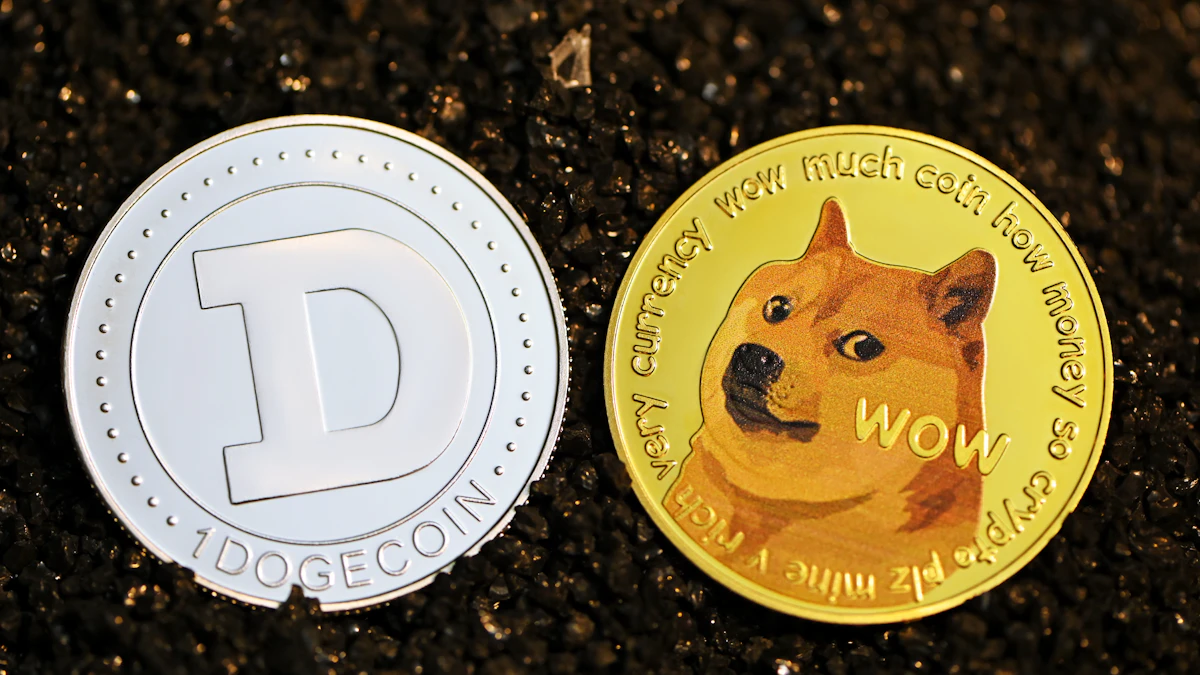
- Dogecoin was launched in late 2013 by Billy Markus and Jackson Palmer as a joke based on the Shiba Inu "doge" meme.
- Dogecoin has no maximum supply, and at about 10,000 new coins a minute it adds roughly 5.26 billion DOGE every year.
- The IRS treats Dogecoin as property, so selling, trading or spending it is a reportable event, while buying and holding is not.
In this story 10 sections
- What is Dogecoin, in simple terms?
- Who created Dogecoin and why?
- How does Dogecoin work?
- Is there a limit on how many Dogecoin exist?
- Is Dogecoin a meme coin?
- What is Dogecoin used for?
- Why does Dogecoin keep coming back?
- Is Dogecoin dead, or a good investment?
- How is Dogecoin taxed in the US?
- How do you buy Dogecoin safely?
Dogecoin is a cryptocurrency that started as a joke in late 2013 and somehow never went away. If you have seen the Shiba Inu dog on a coin, heard Elon Musk mention it, or watched its price jump on a random week, you have run into it. Below are the questions people actually ask when they search "what is Dogecoin," answered plainly, along with what the IRS and the SEC say about it.
What is Dogecoin, in simple terms?
Dogecoin (ticker DOGE) is a digital currency that runs on its own public blockchain, with no bank or company in charge of it. The official project site, Dogecoin.com, describes it as an open source, peer to peer digital currency. In practice that means anyone can download the wallet software, hold DOGE and send it to someone else without asking permission.
It works much like Bitcoin. Transactions are grouped into blocks, miners compete to add those blocks, and the full record is public. If the basics of a shared ledger are new to you, our guide to what Bitcoin is and how it works covers the same ideas in more depth.
Who created Dogecoin and why?
Two software developers, Billy Markus and Jackson Palmer, launched Dogecoin in late 2013 as a lighthearted take on the crypto craze. According to Coinbase's explainer on Dogecoin, the two were friends from Reddit who had never met in person, and the name and logo came straight from the "doge" meme of a Shiba Inu surrounded by broken English captions.
The joke caught on fast. Coinbase notes the Dogecoin website drew more than a million visitors in its first month, and the community famously raised money to help send the Jamaican bobsled team to the 2014 Winter Olympics in Sochi. The Dogecoin site says both founders stepped away from the project in 2014. Today the open source code is maintained by volunteer developers, and the Dogecoin Foundation supports the project.
How does Dogecoin work?
Dogecoin uses proof of work, the same broad approach Bitcoin uses. Miners run specialized computers that race to solve a math puzzle, and the winner adds the next block of transactions and earns new coins. The Dogecoin project states the mining reward is 10,000 DOGE per block. Coinbase describes the system as similar to the one Litecoin uses.
Two practical differences stand out next to Bitcoin:
- Speed. Coinbase describes new coins arriving about every minute, compared with roughly every 10 minutes on Bitcoin, so payments confirm sooner.
- Price per coin. Each DOGE has historically traded for cents or less, which makes it feel cheap even though the total value of all coins is large.
If you want to understand mining itself, see how Bitcoin mining works. The core mechanics carry over.
Is there a limit on how many Dogecoin exist?
No. Dogecoin has no maximum supply, which is the biggest technical difference from Bitcoin's fixed cap of 21 million coins. Coinbase puts it as 10,000 new coins mined every minute with no ceiling, and reported more than 140 billion DOGE in circulation as of April 2024.
Here is what that rate adds up to over a year:
- 10,000 DOGE per minute × 60 minutes = 600,000 DOGE per hour
- 600,000 × 24 hours = 14.4 million DOGE per day
- 14.4 million × 365 days = about 5.26 billion new DOGE per year
That number stays flat, so as total supply grows, the yearly percentage increase shrinks. Five billion new coins on a base of 140 billion is under 4% a year, and the share keeps falling over time. Supporters say steady issuance keeps coins moving instead of being hoarded. Critics say it limits Dogecoin's appeal as a long term store of value.
Is Dogecoin a meme coin?
Yes, Dogecoin is widely considered the original meme coin, and US regulators treat that category in a specific way. In February 2025 the SEC's Division of Corporation Finance published a staff statement on meme coins saying that, in its view, transactions in the type of meme coins it described do not involve the sale of securities. The statement compares meme coins to collectibles.
That cuts both ways for buyers. The same statement says meme coin buyers and holders are not protected by federal securities laws. It also notes that fraud involving meme coins can still be pursued by other federal or state agencies, and that it is a staff view with no legal force of its own.
What is Dogecoin used for?
Mostly trading and tipping, with some payments mixed in. Dogecoin grew up as a way to tip people small amounts online, and its low price per coin and fast blocks still suit that kind of use. Some merchants and payment processors accept it, but the main reason most people hold DOGE is speculation on its price.
That is worth being honest about. Dogecoin has no company behind it earning revenue, no dividends and no built in smart contract platform like Ethereum. Its value comes from what people are willing to pay for it, which depends on community enthusiasm, trading activity and attention.
Why does Dogecoin keep coming back?
Attention drives Dogecoin more than almost any other large cryptocurrency, and attention tends to return in waves. Coinbase points to the 2021 run, when DOGE rose roughly 7,000% in the first months of the year, as interest exploded online. It also names Elon Musk as the coin's highest profile supporter, and his posts have repeatedly moved its price.
A few other factors help it survive quiet periods:
- Name recognition. Many new buyers have heard of Dogecoin before almost any other coin except Bitcoin.
- Wide availability. Many large US exchanges and apps list it, so it is easy to buy on impulse.
- A long track record. It has been running since 2013, which is ancient by crypto standards.
None of these guarantee future gains. They explain why the coin keeps resurfacing after people declare it finished.
Is Dogecoin dead, or a good investment?
Dogecoin is not dead. The network still produces blocks, the code is still updated (the Dogecoin site lists recent Core wallet releases), and it still trades every day. Whether it is a good investment is a different question, and no one can answer it for you.
Keep these points in mind before buying:
- Its price can swing sharply in days, often on social media chatter rather than news about the network.
- The unlimited supply means new coins keep entering the market.
- Meme coins attract scams, including fake giveaways that promise to "double" any DOGE you send. Learn the warning signs in our guide on how to spot a crypto scam.
A common approach is to treat DOGE as a small, high risk slice of your money, sized so a big drop would not hurt your finances.
How is Dogecoin taxed in the US?
The IRS treats Dogecoin like any other digital asset: as property, not currency. Its digital assets page says selling crypto for dollars, trading it for another coin, or using it to pay for goods and services are all reportable events, and income from mining or receiving it as payment is taxable.
Simply buying DOGE with dollars and holding it is not a taxable event, and neither is moving it between wallets you control. You also need to answer the digital asset question on Form 1040 each year. For the details on gains, losses and records, read crypto taxes explained.
How do you buy Dogecoin safely?
Buy through a well known US exchange or brokerage app that lists DOGE, turn on two factor authentication, and double check any wallet address before you send coins. Transactions on the blockchain cannot be reversed, so a typo or a scam address means the coins are gone.
Our walkthrough on how to buy XRP, Solana or Dogecoin in the US covers account setup, fees and moving coins to your own wallet step by step. For more explainers on coins and tokens, browse the crypto section.
One last check before you buy: if the only reason is that DOGE is trending today, wait a day and see if you still want it tomorrow. Dogecoin will still be there.
Sources
Share this story
Spotted an error? Tell us