Key takeaways
- Start with your goal: steps, sleep or training.
- Comfort and battery life keep a tracker on your wrist.
- Add any subscription cost to the price before you buy.
Most fitness trackers do not fail because of bad sensors. They fail because they end up in a drawer. The band was uncomfortable, the app was confusing, or charging became a chore. So when you choose a fitness tracker, the goal is simple: find one you will forget you are wearing, that measures the few things you care about, and that does not ask for a subscription you never planned on.
This guide explains which features matter, who each type of tracker suits, what to ignore and how to keep the cost down.
Start with your goal, not the gadget
Write down the one or two things you want the tracker to help with. Common answers look like this:
- Moving more during the day: steps, active minutes and gentle reminders to stand.
- Sleeping better: sleep duration, consistency and how often you wake.
- Training for an event: pace, distance, heart rate zones and recovery.
- General health awareness: resting heart rate trends and how your body responds to stress, travel or illness.
If your goal is in the first two groups, a basic band is usually enough. If you are training, you will want built in GPS and better heart rate tracking during exercise, which often points toward a sports watch. Our guide on how to choose a smartwatch covers that end of the market in more detail.
Choose a fitness tracker by form factor
Trackers now come in a few shapes, and the shape affects comfort more than any feature list.
Slim bands
These are light, cheap and comfortable for sleep. Screens are small, so you will check most data in the phone app. Battery life is often long, which suits people who hate charging.
Watch style trackers
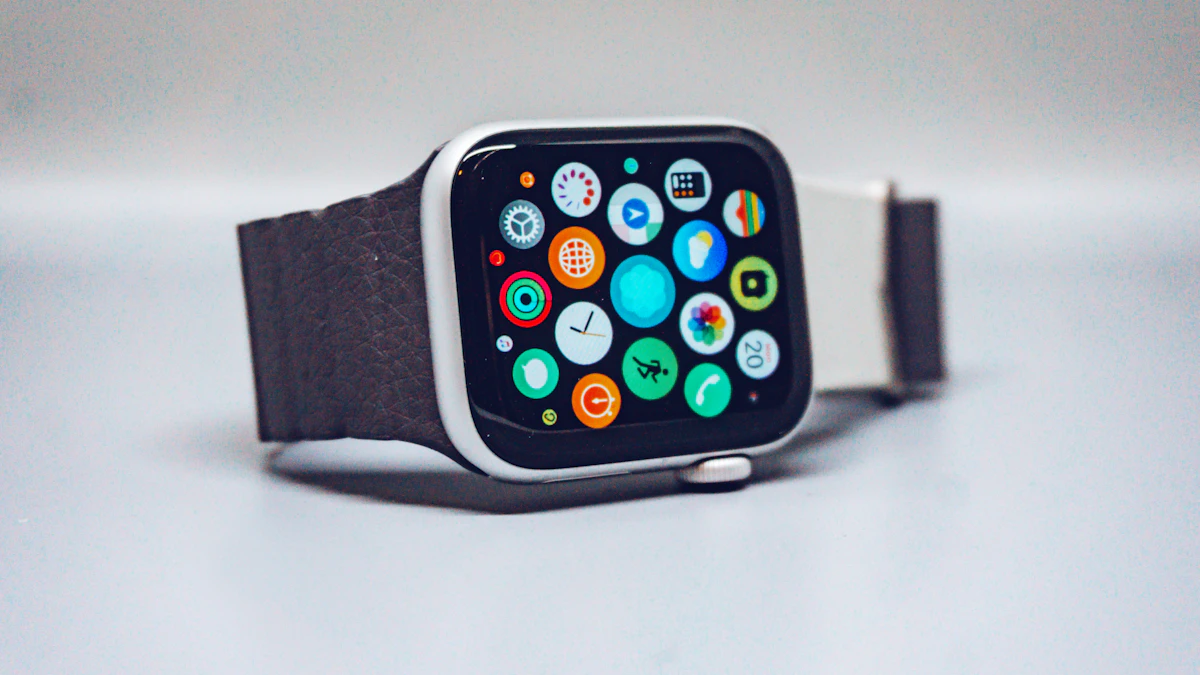
These have bigger screens, more workout modes and sometimes GPS. They are easier to read during exercise but bulkier in bed. If you want notifications and payments as well, you are effectively shopping for a smartwatch.
Smart rings
Rings track sleep and activity from your finger and are easy to wear overnight. They have no screen, so everything happens in the app. Sizing matters a lot, and most makers send a sizing kit first. Rings tend to be weaker at tracking workouts that involve gripping weights or handlebars, so check reviews if that matters to you.
Screenless straps
Some trackers drop the display completely and focus on recovery and strain scores. They suit people who want data without distraction, but they usually rely on a paid membership. Read the pricing page carefully before buying.
The features that matter
Comfort and materials
A tracker should feel like nothing on your wrist or finger. Look for light materials and a strap you can swap. If you have sensitive skin, a breathable band and a habit of cleaning it regularly help a lot.
Battery life and charging
Long battery life is the quiet feature that keeps people wearing a tracker. A device that lasts several days lets you track sleep without planning around a charger. Check how the tracker charges too. A proprietary clip is easy to lose, so consider buying a spare.
Heart rate and sleep tracking
Nearly every tracker measures heart rate with an optical sensor. Accuracy varies, especially during intense or stop and start exercise like weightlifting. For trends over weeks, most do a reasonable job. For precise training zones, serious athletes often pair a chest strap with their watch.
Sleep tracking is useful for spotting patterns such as late nights or irregular bedtimes. Treat sleep stage breakdowns as estimates, not lab results.
GPS
Built in GPS lets you record runs and rides without carrying a phone. Connected GPS borrows your phone's location instead, which works fine if your phone comes along anyway. If you never run outdoors, you can skip GPS and save money.
The app matters as much as the device
You will look at the app far more than at the band. Before buying, browse screenshots or reviews of the companion app. Is it clear? Does it show long term trends? Can you export your data if you switch brands later? A good app turns numbers into plain advice. A bad one buries you in charts.
Subscriptions
Many brands now keep some insights behind a monthly or yearly plan. Sometimes the free tier is enough. Sometimes the tracker feels half finished without the subscription. Add the subscription cost over two or three years to the purchase price and compare that total, not the sticker price.
Who each choice suits
- Beginners who want to move more: a slim band with clear step and activity goals.
- Light sleepers and sleep trackers: a ring or slim band with long battery life.
- Runners and cyclists: a watch style tracker or sports watch with built in GPS.
- Data lovers focused on recovery: a screenless strap or ring, if you accept the subscription.
- Kids and teens: a simple, durable band with parental controls, kept away from social features.
What you can skip
- Dozens of sport modes. Most people use three or four. Check that yours are covered and ignore the total.
- Stress and readiness scores as gospel. They are useful nudges, not verdicts.
- Premium materials. A stainless steel or gold finish costs more and tracks exactly the same.
- Subscriptions you will not read. If you only glance at steps and sleep hours, you probably do not need paid insights.
How to save money
Older models often stay on sale long after a new one launches, and the sensors rarely change dramatically between generations. Certified refurbished trackers from the maker are worth a look because they usually include a warranty. Big sales events and holiday promotions regularly include fitness bands.
Before buying, check whether your existing phone already tracks steps well enough. If all you want is a daily step count, the phone in your pocket might do the job for free.
Keep your health data private
A fitness tracker builds a detailed picture of your body and your daily movements. Turn off public sharing of routes in the app, especially routes that start at your home. Use a unique password for the account, and consider the advice in our guide to whether you need a password manager. If the brand offers two step sign in, turn it on.
If you are building out a wider set of connected devices at home, our smart home starter guide explains where to begin. You can find more buying advice in our gadgets section.
Frequently asked questions
Is a fitness tracker or a smartwatch better?
A fitness tracker is better if you mainly want activity and sleep data, long battery life and a lower price. A smartwatch is better if you also want apps, payments and rich notifications.
How accurate are fitness trackers?
They are generally good for trends like daily steps and resting heart rate. Accuracy drops during intense or irregular exercise, and sleep stage data is an estimate. Use the numbers to compare yourself with yourself over time.
Do I need a subscription for a fitness tracker?
Not always. Many trackers work fully without one, while others hold back deeper insights for paying members. Check the brand's pricing page and add the ongoing cost to the price before you decide.
Are smart rings worth it?
They can be, especially for sleep tracking, because a ring is easy to wear overnight. They are less suited to people who want a screen or detailed workout data, and getting the right size is essential.
Share this story
Spotted an error? Tell us