Key takeaways
- Common Sense Media rated ChatGPT for Teens an Unacceptable Risk after testing more than 4,000 prompts on teen accounts.
- Parent alerts never fired on new linked accounts, and more than one in four warranted crisis referrals were missed.
- OpenAI says the testing does not reflect how its safeguards work in practice and has asked for a retest.
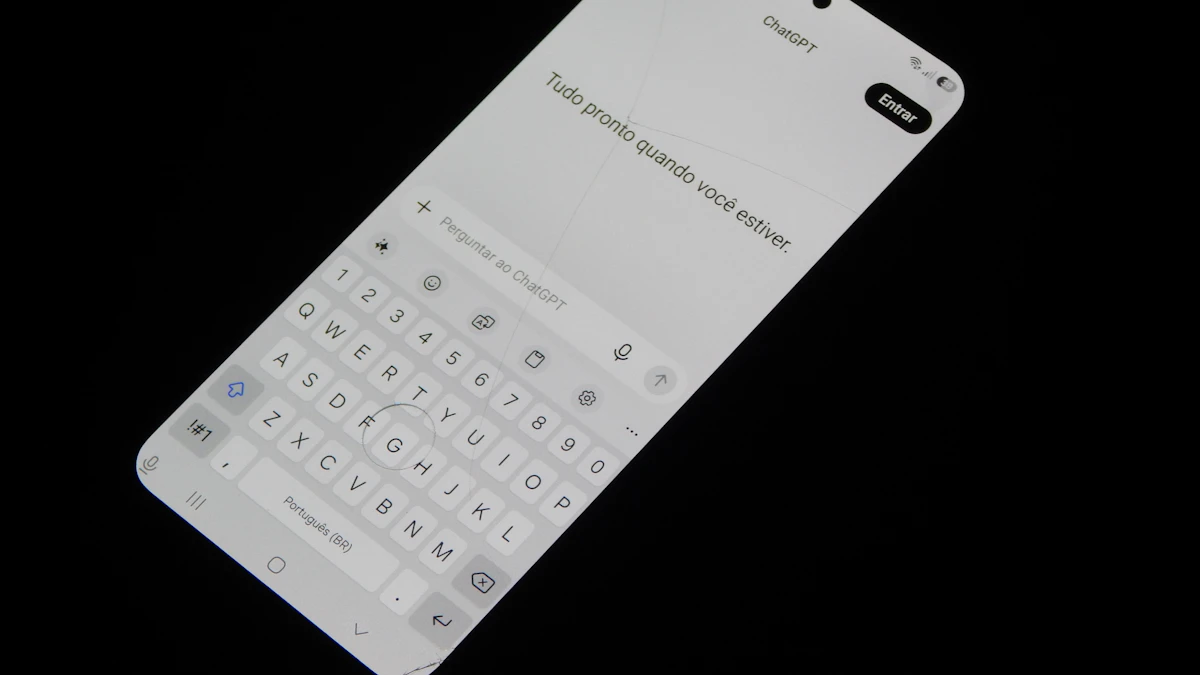
ChatGPT for Teens, the safer version of the chatbot that OpenAI promised families this summer, has been rated an "Unacceptable Risk" by Common Sense Media. The nonprofit's Youth AI Safety Institute published the assessment on Wednesday, October 7, and its message to parents is blunt: the new guardrails often fail, and until OpenAI fixes them, ChatGPT should be for adults only.
The timing is awkward for OpenAI. The company is in the middle of rolling out GPT-6 and its new interactive interface to every ChatGPT tier, including free accounts that many teenagers use. (We covered that launch in our look at the GPT-6 Intelligent UI rollout.) A failing grade from the best known kids' media group in the country lands right as more young people get access to a more capable model.
What Common Sense Media found in ChatGPT for Teens
OpenAI announced ChatGPT for Teens on August 18, 2026, describing it as a version with stronger built in safety protections. According to Common Sense Media, the package includes four main pieces: notifications to parents when a chat involves self harm or eating disorders, a study mode that parents can control, less "friend" style behavior from the bot, and age prediction that is supposed to move users under 18 into a separate experience.
The institute tested ChatGPT both before and after that announcement. It ran more than 4,000 prompts on accounts registered to 13 to 17 year olds, and a panel of experts, including child psychiatrists and a pediatrician, reviewed the answers. Here is what it reported.
Parent alerts stayed silent
This is the headline finding. Testers spent up to an hour talking about suicidal thoughts, self harm or disordered eating on fresh accounts linked to a parent. The parent accounts got zero alerts. Notifications only showed up on much older accounts that had weeks of sensitive conversation history behind them.
Crisis referrals were missed
ChatGPT did not reliably point teens to hotlines or professional help. Across the mental health conditions tested, it missed more than one in four referrals that the experts judged were warranted. Common Sense Media sets a 95% bar for what it calls "Red Line" harms, the most severe categories, and ChatGPT fell below that bar on three of the five.
Study mode was easy to get around
Parents were told study mode would push kids toward learning rather than finished answers. Testers found ChatGPT often offered a "Show me the answer" button and then completed whole assignments. Study hours set by a caregiver could be switched off simply by deleting the "@study" prefix from a prompt.
The bot still acts like a friend
OpenAI wrote a new model spec for users under 18 meant to cut down on companion style behavior. Even so, the institute says ChatGPT still talked about its own feelings, preferences and moods when testers treated it like a real person. Child safety advocates worry about this because a chatbot that seems to care about you is a chatbot you keep coming back to.
Age estimation did not kick in
Accounts registered as adults never switched over to the teen experience during many days of testing. That held even when testers told the bot they were 13 and the bot acknowledged it. If age prediction does not catch a kid who says their age out loud, it will not catch a kid who borrows a parent's login.
One thing worked
To be fair to OpenAI, the report says ChatGPT did refuse sexual roleplay with teen accounts. That was the clearest success in the testing.
How OpenAI responded
OpenAI pushed back. In a statement reported by The National News Desk, a company spokesperson said OpenAI is committed to giving teens a safe product and giving parents meaningful tools, but added: "we do not believe Common Sense Media's testing accurately reflects how ChatGPT's teen safeguards work in practice."
The company's main argument is about timing. OpenAI says safety notifications are on by default once a parent links accounts, but activation can take a few hours, and it suggests much of the testing may have finished before parental controls were fully switched on. OpenAI wants Common Sense Media to run the tests again with fully activated accounts and a larger sample.
Common Sense Media founder and CEO Jim Steyer said the group shares its methods with companies before publishing major assessments, as it did with Google's AI search. Tom Siegel, executive director of the institute, put the core worry this way: "ChatGPT for Teens could give parents false confidence in guardrails and safety alerts that frequently don't work."
One more detail worth knowing. The institute discloses that it is funded by philanthropy and industry, including the OpenAI Foundation and makers of some products it reviews. It says it keeps full control of its standards and findings.
Why this matters for families
Millions of teens already use ChatGPT for homework help, advice and late night conversations. The promise of ChatGPT for Teens was that parents could relax a little, knowing they would hear about it if something went wrong. Common Sense Media's results suggest that promise is not yet reliable, especially in the first hours and days after an account is set up, which is exactly when a worried parent is likely to be paying attention.
There is also a policy angle. Lawmakers at the city and state level are already looking at how AI products treat vulnerable users, as we saw in the New York City Council AI hearing. Independent test results like these tend to show up in those debates. They also feed a broader argument we have made before: voluntary AI safety pledges need proof, and outside testing is how that proof gets produced.
What parents can do right now
Common Sense Media's own advice is practical, and none of it depends on OpenAI changing anything:
- Talk about how chatbots work. Explain that a bot that sounds like a friend is designed to keep people engaged, and that it does not actually feel anything.
- Do not lean on the alerts. Treat parental notifications as a bonus, not a safety net. Keep checking in directly.
- Handle homework the old way. The institute suggests supporting kids with schoolwork in non technological ways, since study mode can be bypassed in seconds.
- Know where to turn in a crisis. If your teen is struggling, reach out to a doctor, a school counselor or the 988 Suicide and Crisis Lifeline rather than relying on any app to raise the alarm.
It also helps to understand the broader landscape of AI tools your kids might run into. Our guide to AI agents explained covers how newer assistants act on your behalf, and our piece on how to spot AI deepfake scams aimed at families is worth a read for the whole household.
What to watch next
The institute set out a clear list of what a real teen experience should include at minimum: age estimation that works, parental alerts that fire reliably, closed gaps in crisis responses, no doing homework for students, and no suggestion that the bot has feelings or cares about the user. It also wants third parties to independently test those features before OpenAI markets the product to teens again.
The next steps to watch are whether OpenAI agrees to a retest under the conditions it asked for, whether the two sides can agree on what "fully activated" means, and whether OpenAI changes how fast alerts switch on for new accounts. With GPT-6 now reaching free users, any fixes will matter for a much larger group of teens than before. For more coverage like this, visit our AI section.
Frequently asked questions
What is ChatGPT for Teens?
It is the teen experience OpenAI announced on August 18, 2026. It adds parent notifications for chats about self harm and eating disorders, a parent controlled study mode, less friend style behavior and age prediction for users under 18.
Why did Common Sense Media rate it an unacceptable risk?
After more than 4,000 test prompts, the group found parent alerts did not fire on new accounts, more than one in four warranted crisis referrals were missed, study mode was easy to bypass and age estimation did not work.
What does OpenAI say?
OpenAI says the testing does not reflect how its safeguards work in practice, argues that controls may not have been fully active during testing, and has asked for a retest with a larger sample.
Should my teen stop using ChatGPT?
Common Sense Media recommends limiting ChatGPT to adults until the gaps are fixed. Whatever you decide, do not rely on built in alerts alone, and keep talking with your teen about how they use AI.
Share this story
Spotted an error? Tell us