Key takeaways
- Horizon OS v213 is the last feature release for Quest 2 and Quest Pro, rolling out from January 2027 and reaching all devices by March 2027.
- Existing games, the store and crossplay with Quest 3 and Quest 3S keep working, and developers must give 180 days of notice before dropping support.
- Quarterly security patches continue through the end of 2027, and new app submissions for the two headsets are accepted until December 2027.
In this story 5 sections
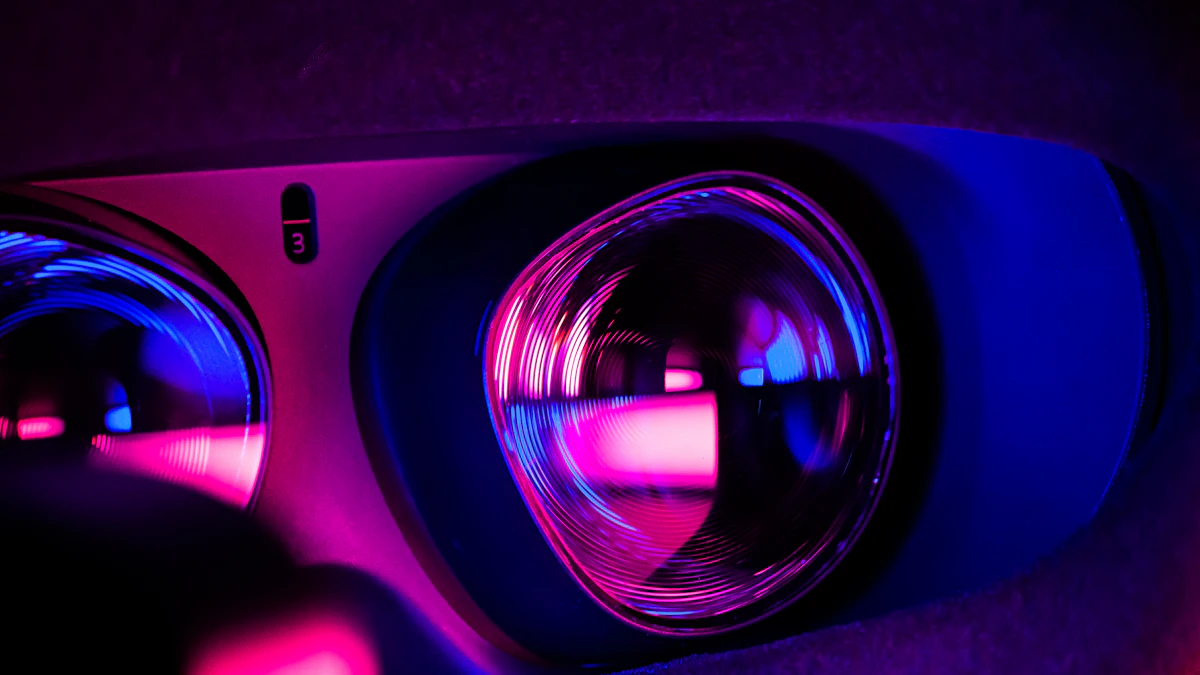
If a Quest 2 or Quest Pro is still sitting on your shelf, it has about four more months of new software ahead of it. Meta has confirmed Quest 2 end of support for new features, with Horizon OS v213 set as the final operating system release for both headsets. The update starts rolling out in January 2027 and should reach every device by March 2027.
That does not mean the headsets stop working. Games keep launching, the store stays open and security fixes continue for a while. But the clock on these two devices is now public, and it changes how owners, buyers and developers should think about them.
Horizon OS v213 is the last version these headsets get
Meta laid out the plan in a post on its Meta Horizon OS developer blog, describing it as the end of feature development for both headsets. According to UploadVR, the SDK that ships alongside v213 is also the last one Meta will support for Quest 2 and Quest Pro.
From that point on, new OS features, platform tools and APIs will only reach the Quest 3, the Quest 3S and whatever comes after them. UploadVR reports that Meta will also stop testing new OS and SDK releases against the two older headsets.
The dates owners should keep in mind:
- January 2027: the v213 rollout begins.
- March 2027: v213 should be on every Quest 2 and Quest Pro.
- End of 2027: quarterly security patches and critical bug fixes stop, according to UploadVR and 9to5Google.
- December 2027: the last month developers can submit brand new apps for these headsets, per UploadVR.
What keeps working on your Quest 2 or Quest Pro
The good news is that nothing gets switched off in March. UploadVR reports that existing apps and games stay fully functional, and owners can still find, buy, download and play titles from the store. Multiplayer with Quest 3 and Quest 3S players also continues in games that support crossplay.
9to5Google says Meta does not plan to remove crossplay or block Quest 2 players. Games should keep running as long as they do not depend on OS features that arrive after v213.
Developers are allowed to keep shipping updates to existing apps. If a studio decides to drop the older headsets and that would cut off content or a service people rely on, it has to give at least 180 days of notice, according to UploadVR. Developers can also freeze a final build for Quest 2 and Quest Pro, or stop selling an app on those devices entirely.
Why the Quest 2 is being retired now
The Quest 2 launched in October 2020 at $300 and became the headset that brought standalone VR to the mainstream. 9to5Google puts its sales at around 20 million units. The Quest Pro followed in October 2022 at $1,500 before a price cut to $1,000 a few months later.
Six years is a long run for a mobile chip in a gaming device. 9to5Google points to the Quest 2's aging processor as the main reason it cannot keep up with new features. Meta had already begun winding down sales of both headsets in 2024, according to UploadVR, so this step finishes a retirement that started two years ago.
If you are curious how much more capable standalone hardware has become since then, our handheld gaming PC guide is a useful comparison point.
Five things owners should do before 2028
- Install v213 when it arrives. It is the last feature update, and it will be the base that every game targets for these headsets going forward.
- Download the games you own while support is strong. Store access continues, but having your library installed protects you if a developer later pulls an older build.
- Watch for notices from developers. A 180 day warning is your signal that a game or service is leaving the older headsets.
- Plan an upgrade window around late 2027. Once security patches end, using the headset for browsing or signing into accounts becomes riskier, even if games still run.
- Reset it properly before you sell or pass it on. A factory reset removes your Meta account and saved data. The same habits from our guide on how to erase an Android phone before selling apply here, and if no one wants it, see what to do with old devices.
Your upgrade options if you want to move on
Meta's current headsets are the Quest 3 and the cheaper Quest 3S, and both will keep receiving new OS features. 9to5Google lists them at $599 and $349. Meta has also announced a pair of VR Glasses for 2027 priced around $1,300, which UploadVR says are planned to ship in spring.
There is no rush for most people. A Quest 2 used mainly for a handful of favorite games will likely feel the same in mid 2027 as it does today. The bigger change comes in 2028, when security fixes have ended and 9to5Google expects game support to thin out quickly. If you are weighing glasses style hardware instead of a headset, our explainer on smart glasses covers the tradeoffs. More hardware news lives on our gadgets page.
Buying a used Quest 2 right now? At a low enough price it still makes a fine starter headset for a year or so. Just expect it to fall behind on new features from March 2027 onward.
Share this story
Spotted an error? Tell us