Key takeaways
- Samsung Wallet USDC transfers start rolling out to eligible US Galaxy users in the last week of October 2026.
- Users can send USDC to external crypto wallets or to bank accounts in more than 60 countries in local currency.
- Bastion, Coinbase, Solana and Sui are named partners; Samsung says it will not charge its own transfer fee.
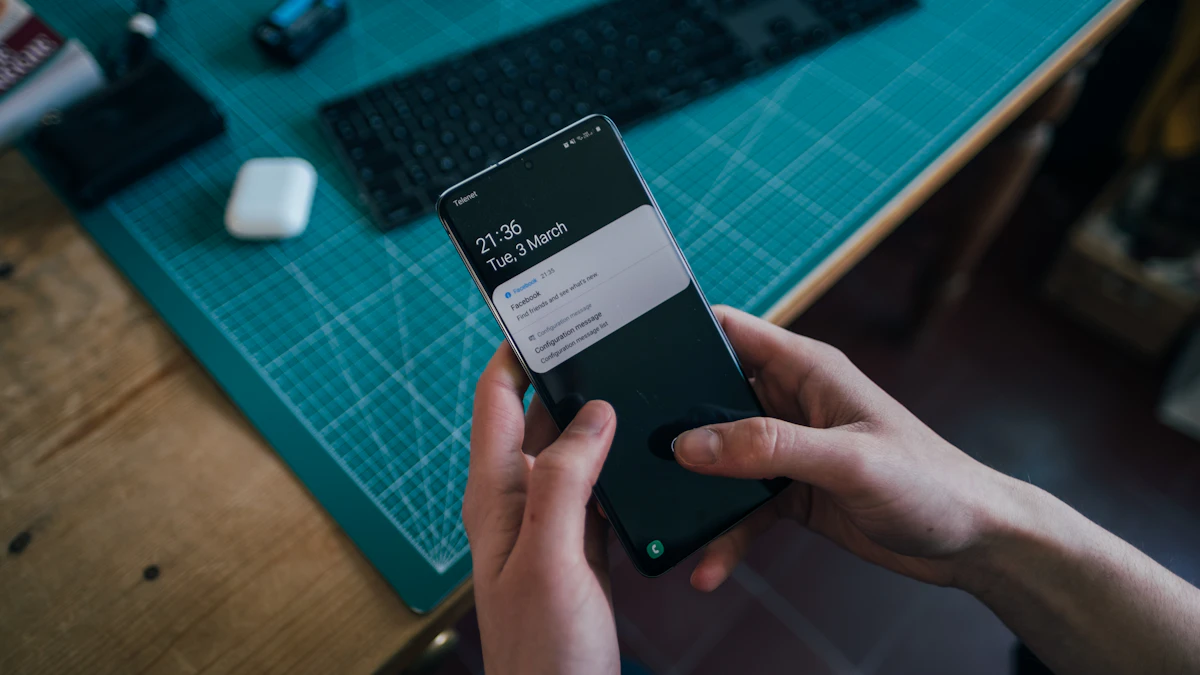
Samsung is about to put a digital dollar inside the payment app that already ships on tens of millions of American phones. Samsung Wallet USDC transfers will begin rolling out to eligible US Galaxy users in the last week of October, according to the company's announcement as reported by The Block and Cointelegraph. Samsung says the feature will reach 82 million compatible Galaxy devices in the United States, which would make it one of the largest consumer launches of a stablecoin through a phone maker so far.
The pitch is simple. Instead of downloading a separate crypto app, Galaxy owners will be able to hold USDC and send it abroad from the same wallet that stores their cards, IDs and tickets. Here is what was announced, how it is supposed to work, and what you should check before you try it.
What Samsung announced
Samsung Wallet and Samsung Pay will support USDC, the dollar backed stablecoin issued by Circle, starting late this month. The service is aimed at cross border money transfers, often called remittances.
According to The Block, users will be able to do two main things:
- Send USDC to compatible external crypto wallets.
- Send money to eligible bank accounts in more than 60 countries, with the recipient getting funds in their local currency.
Cointelegraph reports that users must complete identity verification before they can use the feature. Samsung also says people can get started without managing private keys themselves, which removes one of the biggest hurdles for newcomers. If you have never used a self custody wallet, our guide on how crypto wallets work explains why key management usually matters so much.
Samsung said it plans to expand to more markets later, subject to local regulatory requirements. It did not name specific countries or dates.
Who is behind the Samsung Wallet USDC service
Samsung is not running this alone. Several companies sit behind the button in the app.
Bastion
Bastion, described by The Block as a licensed US stablecoin custodian, provides the stablecoin account and payment infrastructure, according to Cointelegraph.
Coinbase
Coinbase will custody the USDC held in Samsung Wallet through Coinbase Prime. Cointelegraph describes Coinbase as a sub custodian through Coinbase Prime Vault. This builds on an earlier tie up that let US Galaxy users fund Coinbase accounts with Samsung Pay. Alec Lovett, Coinbase's head of infrastructure products, wrote in a blog post that "Samsung's global reach makes this a significant distribution milestone for USDC."
Solana and Sui
Two blockchains are named as technical partners. The Block reported that transfers run on Solana, and quoted Solana Foundation president Lily Liu saying the feature "puts digital dollars into everyday life." The Sui Foundation published its own announcement on October 8 describing Sui as Samsung's blockchain infrastructure partner. Cointelegraph lists both as technical partners and does not say which chain handles which transfers. For most users this will be invisible, since Samsung is handling the plumbing.
The Sui Foundation added a few specifics of its own. It said USDC is the only supported asset at launch, that the SUI token is not supported in Samsung Wallet, and that users do not need to hold SUI to send USDC.
What it costs
Fees are where you should read the fine print once the feature goes live.
Samsung says it will not charge its own fee on USDC transfers, according to The Block. Cointelegraph reports that transfers to external crypto wallets are free, while international bank transfers do carry fees, though no amounts were published. The Block also notes that a recipient's wallet or exchange may charge its own fees, and that bank path fees can vary by destination. Transfer speed depends on network conditions.
In short, sending USDC to another crypto wallet looks free on Samsung's side. Converting it into pesos, rupees or another currency at a foreign bank will likely cost something, and the exact price is not public yet.
Why it matters
Remittances are a huge market and a frustrating one. Traditional wire services can be slow, and fees plus exchange rate markups can eat into what families actually receive. Stablecoins promise faster settlement and lower costs because a token like USDC moves on a blockchain rather than through a chain of correspondent banks.
The problem has always been access. Most people do not want to install an exchange app, store a seed phrase, or figure out which network to use. Building the feature into a default phone wallet removes much of that friction. Woncheol Chai, who leads Samsung's digital wallet team, put it this way in Samsung's statement: "Sending money abroad should feel as convenient as using the wallet already on your phone."
The timing also fits the policy backdrop. US regulators are working through rules for payment stablecoins under the GENIUS Act, which we covered in our look at how the OCC plans to implement stablecoin rules. Big consumer brands have been more willing to touch stablecoins as those rules take shape, and banks are moving too, as seen in the Wells Fargo and Kraken liquidity talks.
Who is affected
The first group is US Galaxy owners who send money to relatives or friends overseas. If you already use a remittance service, this gives you another option to compare on speed and total cost.
The second group is crypto users who want an easy way to move USDC from a phone without a separate app. Being able to send to compatible external wallets means Samsung Wallet can act as an on ramp and off ramp.
Competitors are affected too. Apple, Google and payment apps like PayPal, which has its own stablecoin, will be watched closely for any response.
What to do before you use it
If you plan to try Samsung Wallet USDC when it arrives, a few habits will keep you safe:
- Update your phone and Samsung Wallet so you get the feature through official channels only.
- Expect identity checks. Have your ID ready, and never share verification codes with anyone who contacts you first.
- Double check wallet addresses and networks before sending to an external wallet. Crypto transfers usually cannot be reversed.
- Compare the total cost of a bank transfer, including exchange rates, with your current remittance service.
- Watch for scams. Launches like this attract fake "Samsung support" messages and phishing links. Our guide on how to spot a crypto scam covers the warning signs.
It also helps to understand what you are holding. USDC aims to stay at one dollar, but it is still a private token backed by reserves, not a bank deposit. Our explainer on stablecoins walks through how they work and where the risks are.
What to watch next
Several questions remain open until the rollout begins:
- The exact fees for bank transfers in each of the 60 plus countries.
- Which Galaxy models count as compatible, and whether older devices are included.
- How Samsung splits activity between Solana and Sui.
- When and where Samsung expands outside the United States.
For more stablecoin and payments coverage, visit our crypto section.
Frequently asked questions
When does Samsung Wallet USDC launch?
Samsung says USDC transfers will start rolling out to eligible US Galaxy users in the last week of October 2026.
Do I need a separate crypto app or private keys?
No. The feature is built into Samsung Wallet, and Samsung says users can get started without managing private keys themselves. You will need to complete identity verification.
Is it free?
Samsung says it will not charge a fee on USDC transfers, and sending to external crypto wallets is reported as free. International bank transfers do carry fees, and a recipient's wallet or exchange may charge its own.
Which countries can receive money?
Samsung says users can send to eligible bank accounts in more than 60 countries, with recipients getting their local currency. The full country list has not been published.
Share this story
Spotted an error? Tell us