Key takeaways
- TP-Link and Key Tronic signed a letter of intent to assemble routers in Corinth, Mississippi, starting as early as 2027 pending approval.
- Wi-Fi 8 home networking products are expected to be the first devices built on the US line, with some parts still imported.
- Existing TP-Link routers keep working, and covered routers get software updates at least through March 1, 2027.
TP-Link US router assembly is now on the table. On October 19, 2026, TP-Link Systems announced that it has signed a letter of intent with Key Tronic, an American contract electronics manufacturer, to assemble routers on a production line in Corinth, Mississippi. The move comes seven months after the Federal Communications Commission blocked new foreign-made consumer routers from the US market, and it is the clearest sign yet of how one of the best known router brands plans to keep new products on American shelves.
The deal is not final, and it will not change what you can buy this holiday season. But it does say a lot about where home networking hardware is heading, and it matters for anyone who owns a TP-Link router or plans to upgrade to Wi-Fi 8.
What TP-Link announced
According to the company's press release on Business Wire, TP-Link Systems, which lists Irvine, California as its home base, and Key Tronic have signed a letter of intent for Key Tronic to become a primary domestic manufacturing partner. Assembly at the Corinth line could start as early as next year, which means 2027, but only once the arrangement gets US regulatory approval.
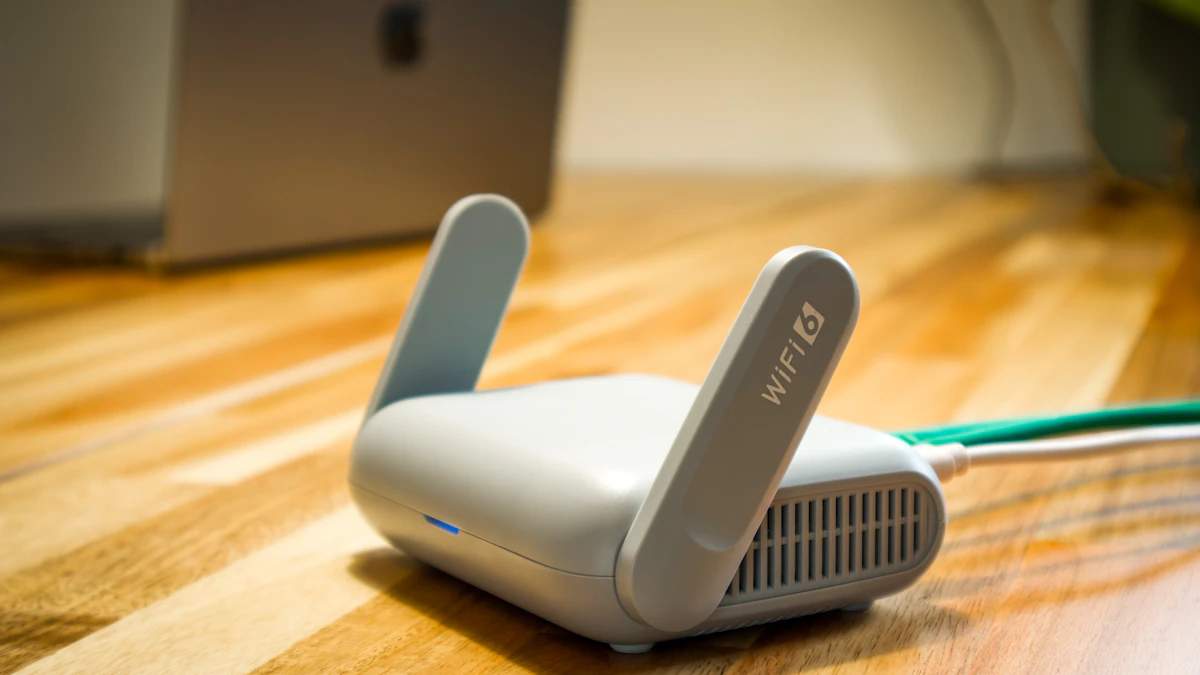
The first products expected off that line are TP-Link's Wi-Fi 8 home networking devices. The release describes the rest of the scope only as TP-Link's "advanced networking portfolio," without naming specific models.
Jeffrey Chao, CEO of TP-Link Systems, said in the release that the agreement "demonstrates our firm commitment to expanding domestic advanced manufacturing." Brett Larsen, president and CEO of Key Tronic, said his company's "production footprint will give TP-Link a strong domestic foundation."
A few things are missing from the announcement. There is no figure for jobs created, no investment amount, and no statement on whether the letter of intent is binding. Key Tronic already runs facilities in the United States, Mexico and Vietnam, according to the release, so this is an existing manufacturer adding a new customer rather than a factory built from scratch.
Not every part will be American
Engadget reported that some components will still be sourced overseas because they are not made in the US. TP-Link corporate affairs officer Steve Kovsky told PCMag that this is an industry wide problem rather than something unique to TP-Link, according to Engadget's summary of that interview. That fits a broader reality: very few consumer router brands, if any, build their products entirely in the United States today.
Why the FCC router ban forced the issue
The backdrop is a sweeping FCC decision from March 23, 2026. As Engadget reported at the time, the agency designated consumer routers made outside the US as a security risk and said new foreign-made models would be added to its Covered List, the roster of communications equipment considered an unacceptable national security risk. The FCC pointed to a goal in the White House's 2025 national security strategy about not depending on outside powers for core components.
The rule hit almost everyone, not just TP-Link. Engadget noted that US brands such as Netgear, Eero and Google Nest, which manufacture in Asia, were also affected. We covered the legal fight that followed in our story on the TP-Link router ban and state lawsuits.
How the waiver path works
Companies are not completely shut out. Under the March rules, a manufacturer can ask the Department of War or the Department of Homeland Security for conditional approval of new products, but it has to submit a plan to move at least some manufacturing to the US. Engadget reported that several companies have already received waivers, while TP-Link is not currently one of them, based on the FCC's published Covered List.
That context explains the timing. A signed plan for domestic assembly is exactly the kind of commitment the waiver process asks for. Neither TP-Link nor Key Tronic has said the deal is tied to a specific waiver application, but the link is hard to miss.
Who is affected
Current TP-Link owners
If you already have a TP-Link router at home, nothing changes today. The FCC rules let people keep using routers they bought before the ban. Covered List routers can also keep receiving software updates at least through March 1, 2027, according to Engadget, and that date could be extended.
That deadline is worth watching. Security patches are the main reason a router stays safe to use, and an older router that stops getting updates becomes a weak point for every device on your network, from laptops to a smart thermostat.
Shoppers buying a router now
Retailers can still sell router models that were approved under earlier FCC policies. So the TP-Link, Netgear or Eero box on a store shelf right now is legal to buy and use. What the ban limits is brand new foreign-made models. Engadget warned in March that new models might be slow to reach stores until the industry adjusts, and this deal suggests TP-Link's next generation could be one of those delayed lines.
Wi-Fi 8 early adopters
Wi-Fi 8 is the product family TP-Link has singled out for US assembly. If the timeline holds, American buyers may see the company's first Wi-Fi 8 routers come from Mississippi rather than from overseas factories. If approval drags, those products could arrive later in the US than elsewhere.
What it means for prices
The announcement says nothing about prices, and neither of the reports we reviewed gives a number. It is fair to say that assembling in the US with partly imported parts is a different cost structure than building everything abroad, but how that lands on store price tags is unknown. Anyone who tells you exactly how much more a TP-Link router will cost in 2027 is guessing.
The wider hardware market is already under pressure. Phone makers, for example, are dealing with soft demand, as shown in our report on smartphone shipments hitting a 14 year low.
What to do if you are shopping or upgrading
- Do not panic buy. Your current router keeps working, and approved models remain on sale.
- Check for firmware updates. Open your router's app or admin page and install any pending update. This is the single best thing you can do for home network security.
- Note the March 2027 date. If your router is on the Covered List, keep an eye on whether update support is extended.
- Wait on Wi-Fi 8 unless you need it. Few phones and laptops support it yet, and US availability could shift with this deal.
- Consider your whole setup. If your home internet comes from a fixed wireless or satellite service, your router choice may be tied to that provider. Our guide to satellite internet covers what equipment those plans usually include.
What to watch next
The key milestone is regulatory approval. Until that comes, the Corinth line is a plan, not a factory output. After that, watch for three things: whether TP-Link is granted a waiver, whether other router brands announce similar US assembly deals, and whether the FCC extends software update support past March 1, 2027.
For more coverage of the hardware you use every day, visit our gadgets section.
Frequently asked questions
Where will TP-Link assemble routers in the US?
According to TP-Link's press release, assembly is planned at a Key Tronic production line in Corinth, Mississippi.
When will US assembled TP-Link routers go on sale?
Assembly could begin as early as 2027, pending US regulatory approval. No retail date has been announced.
Can I still use my TP-Link router?
Yes. FCC rules allow people to keep using routers they already own, and covered routers can receive software updates at least through March 1, 2027.
Is TP-Link banned in the US?
Not as a brand. The FCC rule blocks new foreign-made router models from being added to the market, while previously approved models can still be sold.
Sources
Share this story
Spotted an error? Tell us