Key takeaways
- Investor.gov says a bull market generally means a broad index rising 20% or more over at least two months, and crypto traders usually apply that idea to bitcoin.
- Glassnode reported bitcoin trading 73.3% below its November 2021 high in June 2022, with earlier bitcoin bear market lows 75% to 84% below their peaks.
- FINRA warns that crypto assets are often volatile and tells investors to avoid buying based on FOMO or social media hype, which tends to peak during rallies.
In this story 9 sections
- What is a crypto bull market in simple terms?
- What is a bear market, and how is it the opposite?
- What is a bullish market in crypto versus a bull run?
- How is a crypto bull market different from a stock bull market?
- What causes a crypto bull market?
- What is the bitcoin bull market support band?
- How do you know when a crypto bull market starts or ends?
- Is a crypto bull market coming, and how long do they last?
- Should you buy crypto during a bull market?
Prices are climbing, your group chat is full of screenshots, and every headline says the run has started. So what is a crypto bull market, exactly? It is a stretch of weeks or months when crypto prices keep rising and most traders expect them to keep going. The phrase is borrowed from the stock market, and the questions below cover how the label works for bitcoin and other coins, how it ends, and what it should and should not change about your own decisions.
What is a crypto bull market in simple terms?
A crypto bull market is a long period of rising prices backed by widespread optimism. In stocks, the SEC's investor site gives a rough rule: Investor.gov says a bull market "generally" occurs when a broad market index rises 20% or more over at least a two month period.
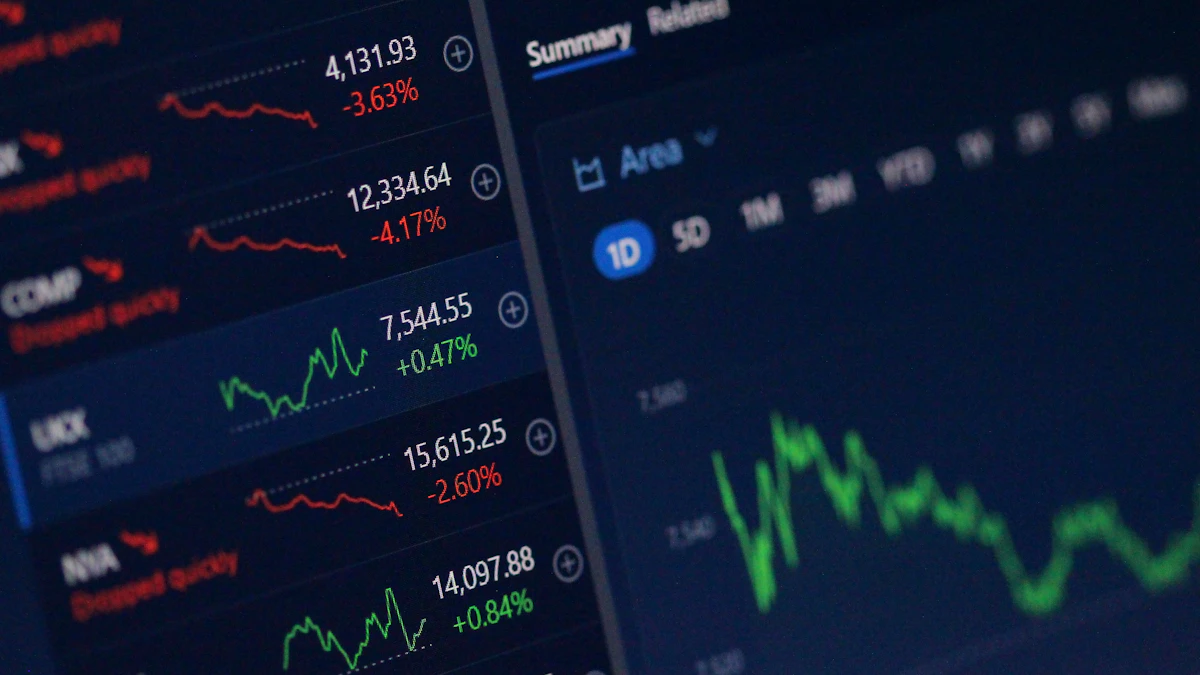
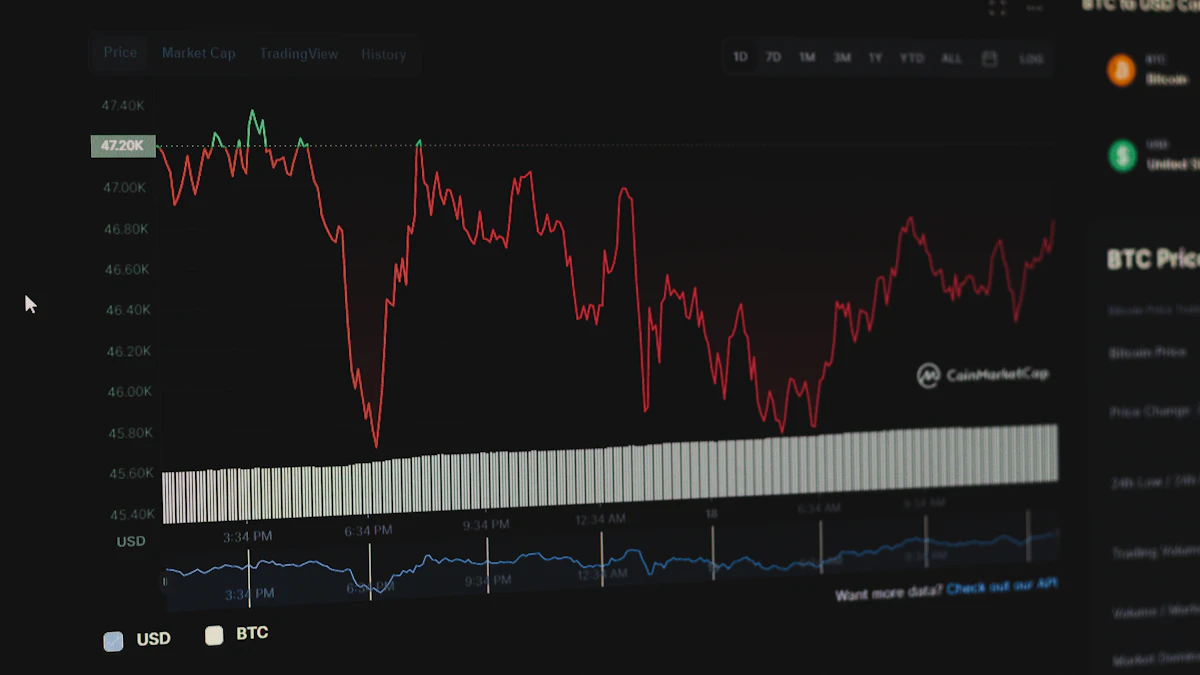
Crypto has no official index that everyone agrees on, so people usually watch bitcoin. When bitcoin climbs well off its last major low, sets higher highs, and pulls most other coins up with it, traders start calling it a bull market. The term describes mood as much as math. Buyers feel confident, trading volume tends to rise, and dips get bought quickly.
What is a bear market, and how is it the opposite?
A bear market is the reverse: a long decline with gloomy sentiment. Investor.gov describes it as a broad index falling 20% or more over at least two months. Fidelity puts it as a 20% downturn from recent highs and notes that bull markets lack an equally firm definition. Some sources use a 20% rise from a low, others skip a number entirely.
A common memory trick: a bull attacks by thrusting its horns up, and a bear swipes its paws down. That image is folklore, not finance, but it helps the words stick.
What is a bullish market in crypto versus a bull run?
These phrases overlap, and people use them loosely. "Bullish" is an attitude. Someone who is bullish on a coin expects its price to go up, and a "bullish signal" is anything a trader reads as pointing higher. A bull run usually means a strong, fast rally, which can happen inside a bull market or as a short burst during a choppy year. A bull market is the bigger picture: the overall trend over many months.
So you might hear "ether had a bull run last week" even when the wider market has not turned. Keep the time frame in mind when you read these labels.
How is a crypto bull market different from a stock bull market?
The swings are far bigger, and the cycles have been shorter and more violent. Fidelity counts 26 stock bull markets since 1872, with a median length of 42 months and a median gain of 87%. Stock bear markets in that history had a median drop of 33%.
Crypto drops have been much deeper. Glassnode, a blockchain data firm, wrote in a June 2022 analysis that bitcoin was trading 73.3% below its November 2021 all time high, and that earlier bitcoin bear market lows sat 75% to 84% below their peaks. Ether fell 79.5% from its high in the same period. When the falls are that steep, the rallies that follow tend to look enormous in percentage terms too. If you want the forces behind those moves, our explainer on why bitcoin goes up and down walks through supply, demand and leverage.
There is another difference. Stocks have earnings and dividends that analysts can tie to value. Most coins do not, so crypto prices lean more heavily on demand, liquidity and sentiment. Our piece on how bitcoin gets its value goes deeper on that.
What causes a crypto bull market?
No single trigger exists, but a few forces show up again and again. Fresh money entering the market is the big one, whether from new retail buyers, funds, or products such as spot bitcoin ETFs. Easier credit conditions and lower interest rates can push investors toward riskier assets. Supply events matter too. Many traders link past bitcoin rallies to the halving, the scheduled cut in new coin issuance, which we cover in what is the bitcoin halving.
Momentum feeds itself as well. Rising prices draw headlines, headlines draw buyers, and buyers push prices higher. That loop is also why rallies can reverse hard once buying dries up.
What is the bitcoin bull market support band?
It is a chart indicator, not an official measure. The popular version on TradingView combines two lines on the weekly chart: the 20 week simple moving average and the 21 week exponential moving average. The script's author says its significance comes from past bull runs, when bitcoin's price kept bouncing off or riding above that band until the cycle ended, and notes several 30% to 40% pullbacks to the band during the 2017 run.
Traders treat a weekly close above the band as a sign the uptrend is intact and a sustained break below it as a warning. Treat it as one opinion drawn on a chart. It is a community tool built on past patterns, and past patterns can stop working.
How do you know when a crypto bull market starts or ends?
Usually only in hindsight. The 20% rule tells you when a move has already happened, not when it will begin. Glassnode's own analysis shows the ambiguity: it debated whether the 2021 to 2022 bear market really began after the April 2021 high or the November 2021 high, which changes the measured length from about 227 days to about 435 days.
Signals people watch include bitcoin setting a series of higher lows, prices holding above long term moving averages, and rising trading volume. None of them is reliable alone. Calling the top is even harder, because the final weeks of a rally often feel the most exciting.
Is a crypto bull market coming, and how long do they last?
Nobody can tell you with confidence, and anyone who promises a date is guessing or selling something. Search interest in phrases like "crypto bull market 2026" and "crypto bull market 2027" shows how many people want a forecast, but predictions are not facts.
On length, the only solid data comes from stocks, where Fidelity found bull markets lasting a median of 42 months and roughly twice as long as bear markets. Crypto has a much shorter history and fewer cycles to study, so averages are shaky. Size and timing have varied from one cycle to the next.
Should you buy crypto during a bull market?
That depends on your goals and finances, not on the label. Regulators are blunt about the risks. FINRA says crypto assets "can be exceptionally risky and are often volatile" and tells investors to "avoid investing based on FOMO," the fear of missing out. It also warns against buying because of social media posts that tout new coins.
The SEC's investor alert on crypto asset securities adds that the only money you should put at risk in a speculative investment is money you can afford to lose entirely, and that fraudsters exploit crypto's popularity with fake offerings and Ponzi schemes. Hype peaks during rallies, so scams do too. Our guide on how to spot a crypto scam lists the red flags.
A few habits help in any market:
- Decide how much you are willing to lose before you buy, and write it down.
- Look at the coin's market cap and supply, not just its price.
- Be wary of anyone guaranteeing returns or pressing you to act today.
- Consider spreading purchases over time instead of buying all at once near a peak.
If you are still weighing whether crypto belongs in your plan at all, start with is bitcoin a good investment, then browse more explainers in our crypto section.
One last check before acting on any "bull market" headline: ask how the writer defines it and over what time frame. If there is no clear answer, it is a mood, not a measurement.
Sources
Share this story
Spotted an error? Tell us