Key takeaways
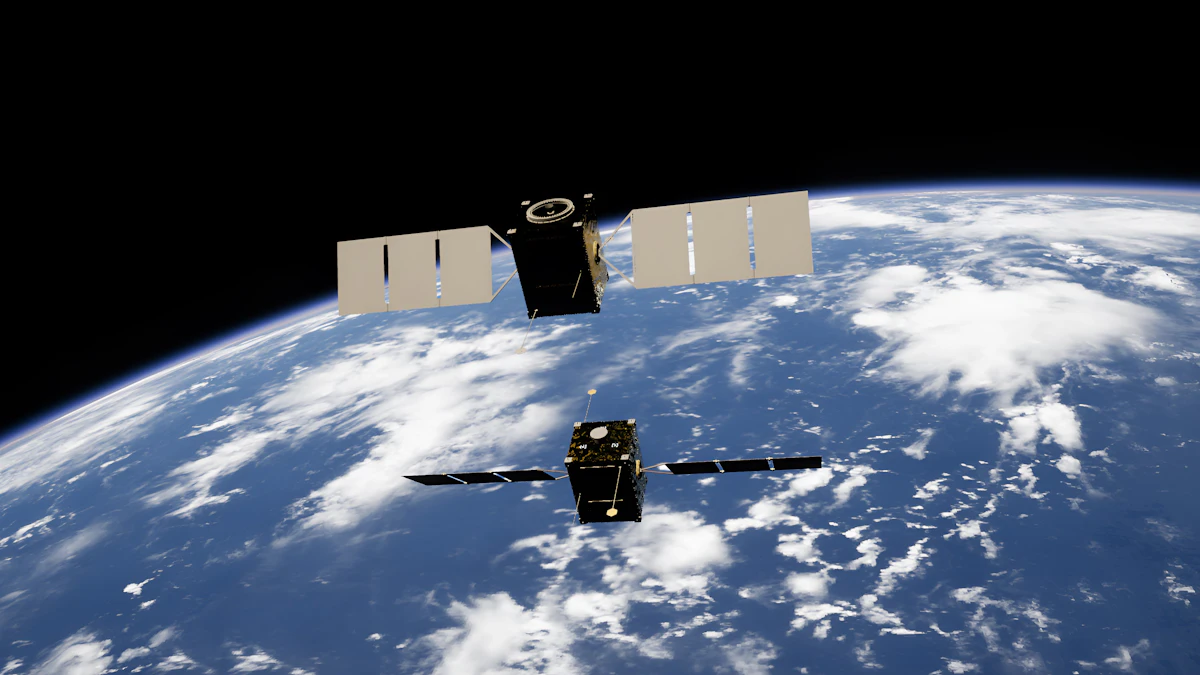
- The Planet built prototype launched on a SpaceX Falcon 9 rideshare in October and carries one Google TPU that can run for about 20 minutes at a time.
- Its first task after three weeks of checks was asking a Gemma 4 model to write a haiku about space, and Google says the craft is operating nominally.
- The test campaign will study heat and radiation bit flips, and a good result would lead to two more satellites with advanced chips in 2027.
In this story 3 sections
The first job Google gave its new satellite was a haiku. After about three weeks of system checks in orbit, engineers asked a Google data center satellite carrying a single Tensor Processing Unit to write a short poem about being in space, and it answered, according to TechCrunch.
The poetry is a stunt. The hardware is not. The spacecraft is the first prototype from Project Suncatcher, Google's research effort to test whether AI computing can one day run in orbit on solar power, and a Google spokesperson told TechCrunch it is "operating nominally."
A single TPU, a Gemma 4 model and 20 minute sessions
The satellite launched earlier in October on a SpaceX Falcon 9 rideshare along with more than 100 other spacecraft, TechCrunch reported. It was built by Planet Labs and is now online and talking to ground stations.
The numbers show how early this is:
- One Google TPU on board, running a Gemma 4 model from Google DeepMind
- Up to 1 kW of electricity generated by the spacecraft
- About 20 minutes at a time is how long the TPU can stay switched on
That last limit matters. A data center that runs in short bursts is not a data center yet. It is a lab bench in orbit, and the point of the coming months is to learn what breaks.
What Project Suncatcher is testing in orbit
Google laid out the idea in a November 2025 Google Research post: compact groups of solar powered satellites carrying TPUs and linked by free space optical (laser) connections. The design study modeled 81 satellites flying in a tight cluster about 650 km up, in a dawn to dusk orbit that keeps the solar panels in near constant sunlight.
Two problems sit at the top of the list. The first is heat, since there is no air in space to carry it away. The second is radiation, which can flip bits in memory and corrupt calculations. Google tested its Trillium TPUs in a proton beam on the ground and found the high bandwidth memory was the most sensitive part, but saw no hard failures at the doses it tested. The new satellite is meant to check those results with real orbital radiation, TechCrunch reports.
Two more satellites in 2027, and a big launch question
If the onboard TPU holds up, Google plans to launch two more satellites with its advanced chips in 2027, according to TechCrunch. Google's earlier post described a learning mission with Planet to fly two prototypes by early 2027, so the schedule appears to be holding.
The larger vision depends on cheap launches at enormous scale. TechCrunch points to a Suncatcher analysis estimating that SpaceX would need around 1,800 Starship flights to support it, and notes that Alphabet owns a stake in SpaceX. That link is worth watching as SpaceX builds its own AI compute business, including the $40 billion GPU lease we covered this week.
On the ground, the pressure that makes orbit sound attractive keeps growing. Google's TPUs are already in demand from outside AI labs, as the OpenAI chip purchase plan showed, and data center power is now a political issue in many US towns (see the debate over data center dividends). For more on how satellites reach consumers today, read our satellite internet explainer or browse the latest in tech.
For now, one chip, one model and one haiku. The real test is whether that TPU still computes correctly after months of radiation.
Share this story
Spotted an error? Tell us