Key takeaways
- Apple's current MagSafe Charger is certified for Qi2 25W and reaches up to 25W on supported iPhones such as the iPhone 17 and iPhone 18 Pro when paired with a 30W or higher adapter.
- The original Qi2 standard from 2023 tops out at 15W, while the Qi2 25W tier (which Google labels Qi2.2) launched in July 2025 with nearly 70 percent more charging power.
- Older phones set the limit: the iPhone 15 and earlier charge at up to 15W on MagSafe, and some Android phones marked Qi2 Ready need a magnetic case to snap onto a Qi2 charger.
In this story 5 sections
Short version: for an iPhone, MagSafe and a certified Qi2 25W charger now aim at the same thing, a magnetic snap and up to 25 watts on recent models. The real differences are in branding, which phones get full speed, and the power adapter you plug in. If you own an Android phone, Qi2 is the name that matters, because MagSafe is Apple's own label.
That confusion is understandable. Apple launched MagSafe for iPhone first, the industry later built its own magnetic standard called Qi2, and now Apple's own MagSafe Charger carries Qi2 certification. So "MagSafe vs Qi2" is less a rivalry than a question of which logo fits your phone and your wallet.
How MagSafe and Qi2 differ at a glance
- Who owns the name: MagSafe is Apple's brand for iPhone. Qi2 comes from the Wireless Power Consortium (WPC), the industry group behind the original Qi standard, and any phone maker can use it.
- Magnets: both use a ring of magnets to line the phone up with the charging coil. The WPC credits that alignment, which it calls the magnetic power profile, for making Qi2 charge more efficiently than older pads.
- Top speed: the original Qi2 spec (2023) tops out at 15W. The newer Qi2 25W tier, launched in July 2025, matches the 25W that Apple's current MagSafe Charger offers on supported iPhones.
- Phone support: iPhone 12 and later have MagSafe magnets built in (the iPhone 16e is the odd one out). Android support varies by model, and some phones need a magnetic case.
- Price: Apple's MagSafe Charger costs $39 for the 1 meter cable and $49 for 2 meters on Apple's US store as of November 2026, with the power adapter sold separately. Qi2 chargers from other brands cover a wide price range.
- Older phones: Apple says its MagSafe Charger also works as a plain Qi pad, so it will charge an iPhone 8 or later, just slowly and without magnetic alignment on the older models.
MagSafe: Apple's version for iPhone
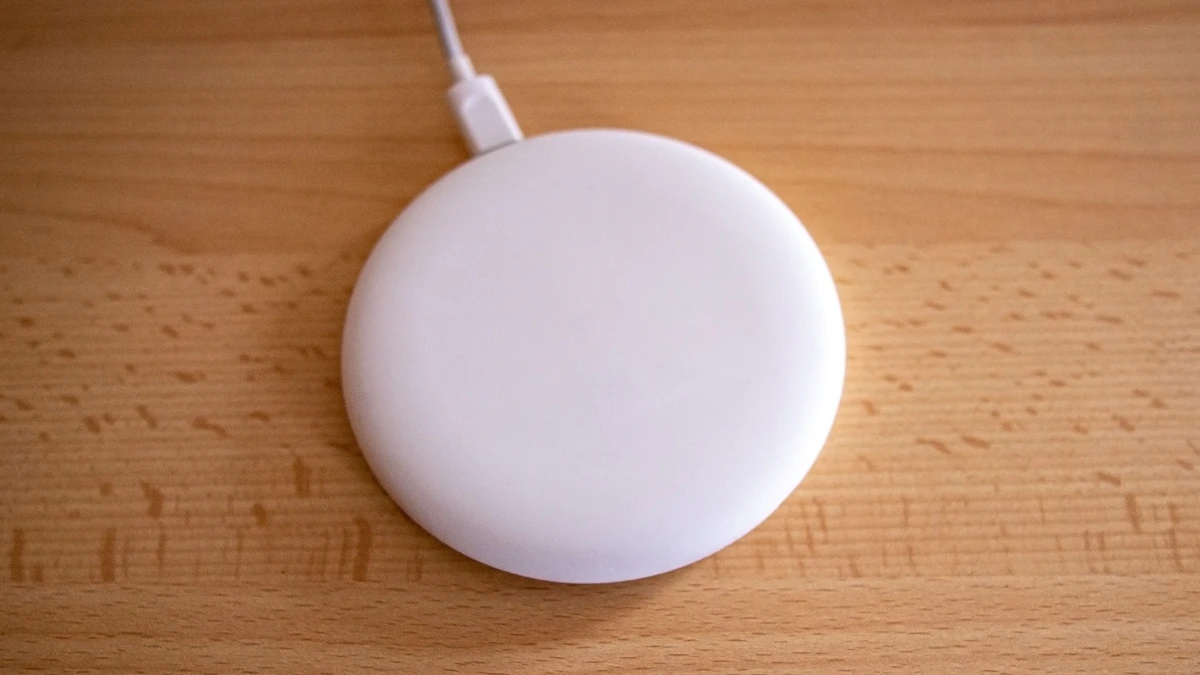
MagSafe arrived with the iPhone 12. Inside the phone there's a magnet array around the charging coil, so a MagSafe puck clicks into place instead of sliding around on a flat pad. Apple's current MagSafe Charger is listed as "certified for Qi2 25W and Qi charging," which is the clearest sign that the two ideas have merged.
What MagSafe does well
Speed on new iPhones is the headline. According to Apple Support, the iPhone 18 Pro, iPhone 18 Pro Max, iPhone 17 Pro, iPhone 17 Pro Max, iPhone 17, iPhone 16 Plus and iPhone 16 Pro Max can charge at up to 25W. The iPhone 16 and 16 Pro peak at 22.5W and the iPhone Air at 20W. Apple's product page says compatible models can reach about 50 percent in around 30 minutes with its 30W adapter.
It also works with accessories designed around it: wallets, stands, car mounts and AirPods cases. Because it's Apple's own product, it tends to be a safe pick for anyone who doesn't want to compare certification labels.
Where MagSafe falls short
Full speed depends on the right parts. Apple lists a 30W or higher USB-C adapter (15V at 2.0A or more) and specific charger part numbers (A3502, A3503, A2580 or A3250) for 25W. Plug an older 20W adapter in and you'll get less.
Older and budget iPhones are capped lower. The iPhone 17e and the iPhone 15 and earlier top out at 15W on a MagSafe Charger, the iPhone 12 mini and 13 mini at 12W. Apple also notes speeds drop when headphones or other accessories are plugged into the port at the same time, and warmth can lead iOS to hold charging above 80 percent. If your iPhone gets hot on the pad, our guide to why your phone gets so hot covers the common causes.
Finally, MagSafe is iPhone only as a brand. An Android owner shopping for "MagSafe" gear is really shopping for Qi2.
Qi2: the open standard for every phone
Qi2 is the WPC's magnetic answer for the whole industry. The Wireless Power Consortium describes it as the latest generation of Qi, launched in 2023, and says it reached more than 1.5 billion devices worldwide in its first year. The group's Qi2 25W update, introduced in July 2025, raised the ceiling by nearly 70 percent and can take a phone from empty to 50 percent in 30 minutes, according to the WPC.
What Qi2 does well
It's not tied to one brand. A certified Qi2 charger will snap onto a recent iPhone and onto Android phones with Qi2 magnets, which makes it handy in a house with mixed phones or for a nightstand shared by two people.
Google is a good example of Qi2 on Android. Its Pixel tech specs page lists Pixelsnap wireless charging, Google's name for its Qi2 setup, at up to 25W on the Pixel 11 lineup and Pixel 10 Pro XL, and up to 15W on the Pixel 10, Pixel 10 Pro and Pixel 10 Pro Fold. Google labels its 25W phones "Qi2.2 certified," while Apple and the WPC use the name Qi2 25W for that faster tier, which is why you'll see both names on boxes.
There's also more choice in shape and price: 3 in 1 stands, travel pucks, car mounts and power banks. If you want one for your bag, our list of the best power banks for iPhone is a useful starting point.
Where Qi2 gets confusing
Labels. "Qi2" alone can mean the original 15W level, while "Qi2 25W" or "Qi2.2" signals the faster one. Then there's Qi2 Ready, a label the WPC announced in January 2025 for phones that support Qi2 charging inside but rely on a magnetic case for the snap. Android Central reported at the time that Samsung said the Galaxy S25 supports Qi2 charging at up to 15W, with a case used to add the magnets.
Uncertified knockoffs are the other risk. Plenty of cheap pads say "magnetic" or "MagSafe compatible" without any certification. Look for the Qi2 logo on the box and on the product listing, not just a magnet.
Speed, adapters and the parts that limit charging
Whichever brand you buy, the slowest part of the chain sets the speed. Three things matter most.
- Your phone. A 25W charger cannot push an iPhone 15 past 15W or a Pixel 10 past 15W.
- The power adapter. Apple asks for 30W or more for 25W charging. Other brands list their own adapter requirements, so check the box before reusing an old brick.
- Heat and accessories. Phones throttle wireless charging when they get warm, and some cut speed while something is plugged into the port.
One more practical tip from Apple: don't put credit cards, security badges, passports or key fobs between your phone and the charger. Take them out of a wallet case before you charge. If your phone isn't charging at all on a pad, our guide to fixing a phone that won't charge walks through the usual suspects.
Which one should you buy?
- You have an iPhone 16, 17 or 18 and want the fastest wireless charge: Apple's MagSafe Charger with a 30W or higher adapter is the sure route, since Apple's support page lists its 25W requirements for its own charger. A certified Qi2 25W charger is a fine alternative if its listing names your iPhone model at full speed. Either way, your model's own limit applies (22.5W on the iPhone 16, 20W on the iPhone Air).
- You have an iPhone 15 or older: a regular 15W Qi2 charger is enough. Your phone won't use the extra speed of a 25W model, though buying one does no harm if you plan to upgrade soon.
- You use a Pixel 10 Pro XL or a Pixel 11: look for Qi2 25W or Qi2.2 to get the full 25W. The Pixelsnap Charger is Google's own option.
- You have a Galaxy or another Android phone without built-in magnets: check whether it's Qi2 Ready and get a compatible magnetic case first, or the charger won't hold in place.
- Your household mixes iPhone and Android: go with certified Qi2, since it's the one label every brand can use.
- You care most about price: an older iPhone charges on any certified Qi pad, just more slowly and without the magnetic snap on models before the iPhone 12.
Before checking out, read the fine print for two lines: the exact certification (Qi2 or Qi2 25W) and the adapter it needs. Those two details decide your real charging speed far more than the word MagSafe on the box. For more on chargers and phones, browse our gadgets coverage.
Sources
Share this story
Spotted an error? Tell us